 0800 118 2500
 18th November 2026
 3 min read
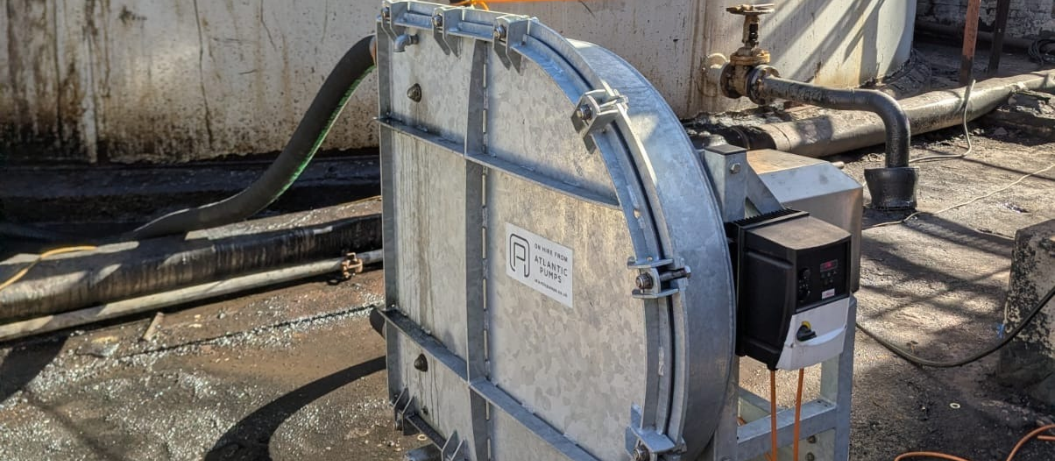
Sharp aggregate in thickener underflow can quickly wear out the close fit between a progressive cavity pump’s rotor and stator, and as that fit opens up, more slurry slips back through the pump and less reaches the outlet. A peristaltic pump takes those close-fitting parts out of the slurry’s path, with rollers that compress the flexible hose and push the material through it. Whether this is the right choice for your operation depends on the problem your ‘difficult’ fluid is causing and the flow and pressure your process needs. Read on to find out more.
When abrasion affects pump performance
The industrial peristaltic pump design is particularly suited to applications where particles in the fluid risk damaging critical components. In peristaltic pumps, abrasive material contacts only the inside of the hose, with no rotor–stator fit or shaft seal in its path. The hose will eventually wear in service, of course, but the material can be selected for longevity with the given media, and quickly changed without rebuilding those internal components each time.
That was the selection issue at Arthur’s Waste Management. Sharp stone chippings in its thickener underflow contributed to progressive cavity pump repairs costing £6,000–£7,000 every three or four months, with two or three days of lost production each time. We assessed the slurry and supplied an LSM peristaltic pump. In a follow-up review, Arthur’s confirmed no breakdowns or engineer callouts had been needed in the two years since installation. For that abrasive duty, changing the pump design addressed a costly pattern of wear. Since then, we have repeated this success on many other sites, including AD plants, mineral processing lines, and wastewater treatment works.
Dealing with thick feeds
A thick feed presents a different pump selection challenge: can the pump draw material in and continue transferring it as conditions change? A progressive cavity pump can be an excellent choice for a smooth, viscous feed. Its rotor and stator deliver a steady flow and can generate high pressure, so thickness on its own does not make an industrial peristaltic pump the better option.
However, the choice changes when that thick feed also contains sharp solids or arrives intermittently. Abrasive grit wears the rotor–stator fit that a progressive cavity pump relies on to maintain flow, while running without feed risks overheating its stator. In a peristaltic pump, the grit stays contained inside the replaceable hose, and the pump can safely dry-run during pauses in supply. For a thick, abrasive slurry with an uneven feed, the LSM peristaltic pump would be high on our consideration-list. There are numerous sizes, adjustments, and add-ons available to cover many flow and discharge pressure requirements in industry.
High-solids feeds can create a further challenge, particularly where larger particles, fibrous material, or inconsistent solids loading increase the risk of restrictions or blockages. In these duties, the internal passage through the hose and the absence of complex internal components can make a peristaltic pump easier to maintain and operate, provided the hose bore and pump size are appropriate for the solids being handled.
What if the material needs gentler handling?
Peristaltic pumps can also be a strong option where the fluid is shear-sensitive and excessive mechanical agitation could affect the material being transferred. Because the product remains contained within the hose and is moved by progressive compression, there are no impellers or rapidly-rotating internal components that would churn the fluid. For applications where preserving the condition or structure of the pumped material matters, this gentler pumping action can be an important part of the selection decision.
How is flow maintained at the working pressure?
A peristaltic pump’s output depends partly on roller clearance; the setting that determines how firmly each roller closes the hose. It is set for the hose’s wall thickness and material, as well as the working pressure. Sufficient compression moves each volume of slurry forward against the discharge pressure; the correct setting also protects the hose exterior and rotor bearings from excessive loading. LSM’s maintenance guide specifies a further adjustment above 5 bar; when assessing your duty, we would consider hose choice, roller setting and actual discharge pressure together, so the expected flow and service life reflect how the pump will run.
Ultimately, the decision comes down to more than whether an industrial peristaltic pump can move the fluid. The combination of abrasiveness, solids content, viscosity, feed consistency, flow requirement, and discharge pressure should all be considered together. Maintenance time, expected hose life, and the cost of repeated downtime also belong in that comparison. In some challenging duties, accepting a replaceable wear component such as the hose can provide a lower whole-life operating cost than repeatedly repairing more complex internal components.
View our webinar to find out more
If you’d like to find out more, our free Peristaltic Pumps in Wastewater Webinar takes a closer look at the design and the applications where peristaltic pumps can help. Click here to view it today.
- Blog
- Water & Wastewater
- Pre-cast & Readymix Concrete
- Mining and Quarrying
- Heavy industry and Manufacturing
- Food Processing
- Anaerobic Digestion and Biogas
- Recycling
- Oil and Gas