February 25 2026
 2 min read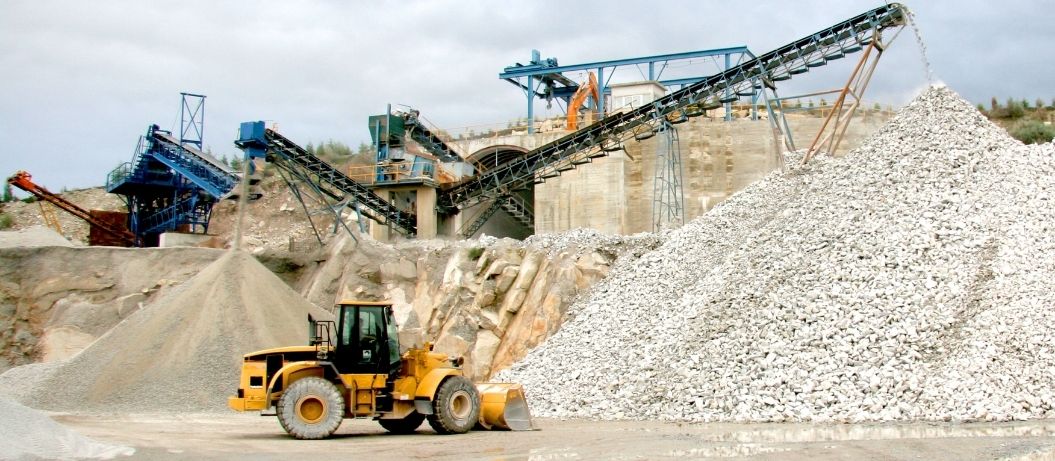
Aggregate is not a generic construction material. Its origin, composition, and behaviour all influence how it performs in service, from bearing load to resisting wear and weathering over time, making the physical characteristics of aggregate matter as much as its availability. In modern quarrying, this has led to an increasing focus on how virgin aggregates and recycled aggregates behave under different engineering conditions. In this article, we explore where each material type performs best, and why relying on a single source of quarry aggregate is not always either practical or desirable.
How virgin aggregates are produced and used
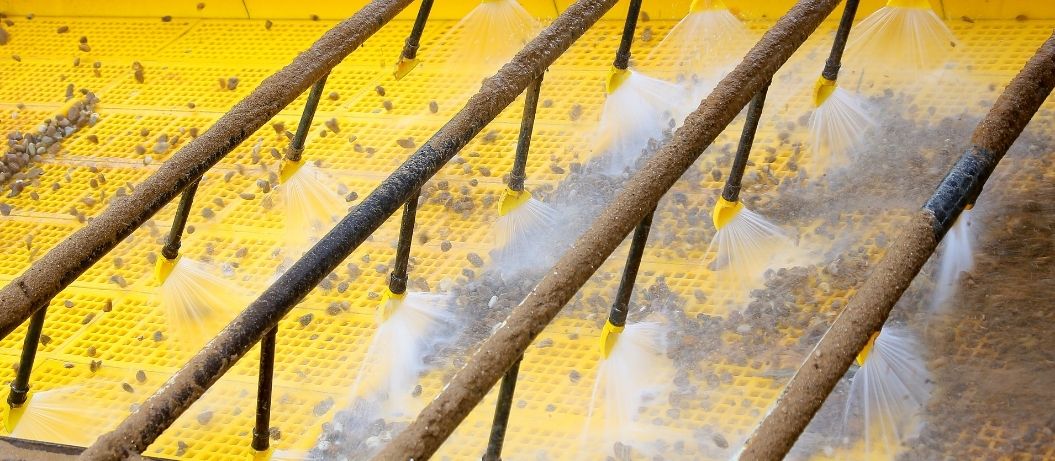
Virgin aggregates are derived from natural geological deposits such as limestone, granite, sand, and gravel. These materials are extracted through quarrying or dredging, then crushed, screened, and graded to produce aggregates with a defined size distribution and mechanical properties.
Because virgin aggregates originate from intact rock formations, their behaviour is generally predictable. Strength, abrasion resistance, particle shape, and durability can all be closely controlled through both geology and processing. This consistency is important in applications where performance margins are tight, such as structural concrete, asphalt wearing courses, high-load pavements, rail ballast, and major civil engineering works. From an engineering standpoint, the main advantage of using virgin aggregates is certainty. Designers and contractors can rely on repeatable performance, which simplifies specification and reduces risk. The limitations of the approach are primarily related to resource availability, planning constraints, transport distances, and the environmental impact associated with extraction and haulage.
What about recycled aggregates?
Recycled aggregates, by contrast, are produced by processing construction, demolition, and excavation waste. Concrete, masonry, asphalt, and other inert materials are crushed, screened, and graded to create reusable quarry aggregate products. Unlike virgin aggregates, recycled aggregates are not derived from a single geological source. As a result, their properties can vary depending on the feedstock composition and processing quality. Factors such as particle shape, fines content, and water absorption require closer control and testing to ensure suitability for specific uses.
When and if these variables are managed effectively, recycled aggregates perform reliably in a range of applications. Common uses include bulk fill, capping layers, sub-base construction, drainage layers, pipe bedding, and certain non-structural concrete applications. In these roles, performance requirements are well defined and do not demand the same consistency as high-specification structural materials.
Are virgin and recycled aggregates interchangeable?
Not usually. From an engineering standpoint, virgin aggregates and recycled aggregates are not interchangeable across all applications. Virgin aggregates remain essential when you need high strength, durability, and uniform behaviour at scale. Many infrastructure projects simply cannot be delivered without them, either because recycled material volumes are insufficient or because performance tolerances are too tight.
Recycling aggregates adds value to a project by extending material supply and improving resource efficiency. Recycled aggregates reduce waste sent to landfill, lower transport demand in urban areas, and support circular economy objectives. Their limitations are not a weakness, but a boundary that defines appropriate use. The reality of today’s construction sector is that demand, specification, and sustainability pressures must all be met simultaneously. Virgin aggregates provide the performance backbone of the industry, while recycled aggregates absorb volume, reduce environmental impact, and lower material costs.
Find out more
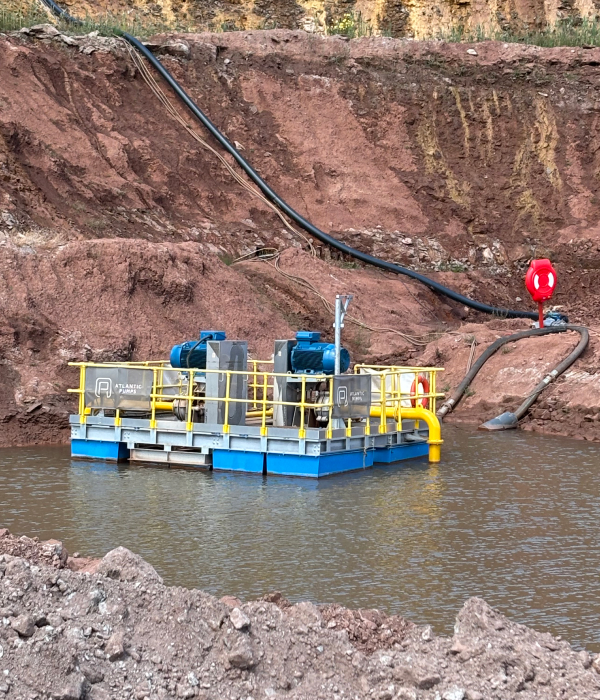
Atlantic Pumps supports primary aggregate producers, processors, and C&D recycling companies. Please get in touch with one of our specialists today to learn how to optimise pump systems and assets for efficiency, carbon footprint reduction, and resilience.
We also take a sustainable approach to our work and are committed to reducing energy waste from pumps. Our expert knowledge allows us to reduce energy usage by 20% on the average site!
Call us today on 0800 118 2500 for more information.