June 3 2026
 3 Minutes min read
Anaerobic digestion plants are complex, biologically driven systems where mechanical, process, and safety issues are tightly interconnected. Although effective and generally reliable, anaerobic digestion plants are subject to a range of performance and efficiency issues. Problems rarely appear as a single unambiguous fault; they develop gradually through changes in behaviour, performance, or operability. Left unchecked, these small issues can escalate into process instability, compliance risks, and even sudden shutdowns.
Here, we address some of the most common problems with anaerobic digestion, and explain how they typically present during day-to-day operations. Use the checklists to supplement your experience and knowledge of your particular AD site, helping to spot early warning signs that something is wrong.
Troubleshooting anaerobic digestion: understanding the 5 main challenges
-
Process Instability:
Process instability is one of the most frequent challenges in anaerobic digestion systems and often underpins other operational problems. It typically arises from imbalances between feedstock input, microbial activity, and operating conditions. Sudden changes in feed composition, organic loading rate, temperature, or mixing intensity can disrupt the biological process, leading to reduced gas production or poor digestate quality. As for warning signs, you may notice fluctuating biogas output or changes in methane concentration, or your system might need more corrective interventions to keep the plant running within acceptable limits.
-
Foaming:
Foaming is a highly visible but often misdiagnosed issue. It can be caused by feedstock characteristics, overloading, filamentous microorganisms, or inadequate mixing. Whatever the cause, however, foaming always reduces the effective digester volume, interferes with gas collection, and can also block your pipework and damage ancillary equipment. Persistent or aggressive foaming also increases the risk of digestate carryover into the gas handling system, creating both operational and safety concerns.
-
Odour Issues:
Odour problems are usually symptomatic of a wider system issue rather than a standalone fault. Poorly controlled digestion, leaks in pipework, ineffective gas capture, or failures in odour control systems all lead to noticeable emissions above the expected level. Odour complaints from the public can often escalate quickly, particularly on agricultural or semi-rural sites, making early identification and control essential from both an operational and reputational perspective.
-
Blockages and flow restrictions:
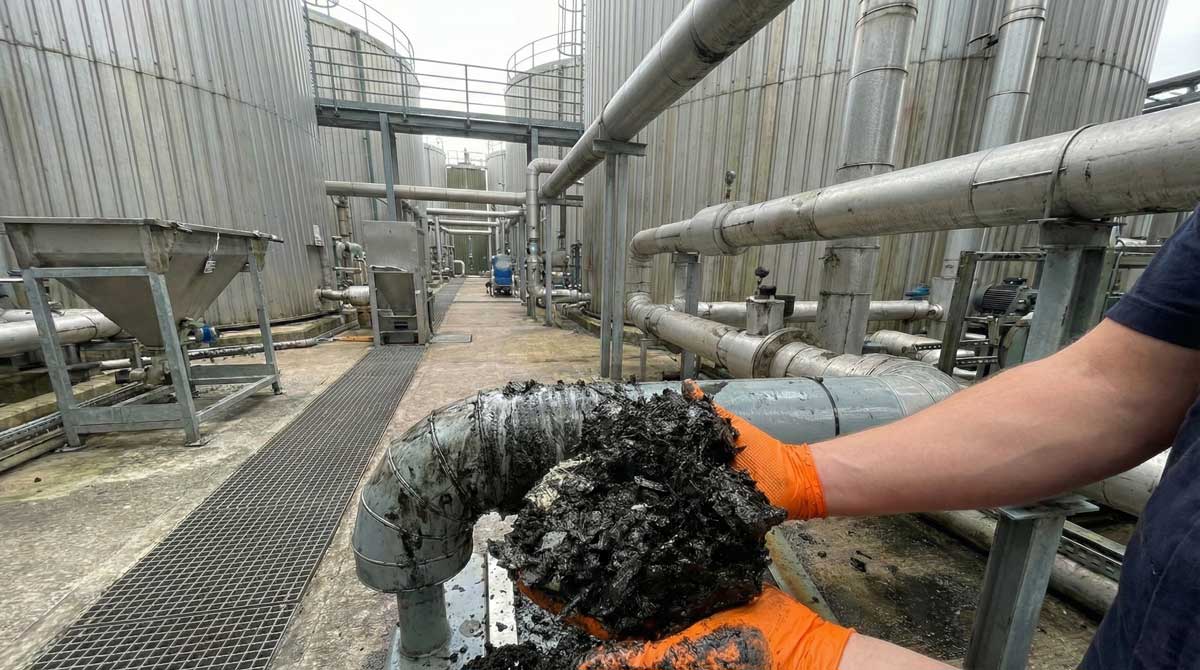
Many anaerobic digestion plants handle challenging fluids containing fibrous material, solids, and variable viscosities. Blockages are therefore a common hazard, typically occurring in the pipework, macerator, heat exchanger, or pump when materials are not adequately conditioned or when flow velocity is insufficient. These restrictions can manifest as reduced throughput, increased pump load, or frequent equipment trip-outs, and they often worsen gradually rather than appearing suddenly. The correct pump for each stage is crucial for optimal uptime and flow control, as abrasion, viscosity, pressure, and temperature can vary considerably from duty to duty.
-
Safety risks:
Safety risks are inherent to anaerobic digestion systems due to the presence of biogas, pressure systems, confined spaces, and potentially hazardous emissions. Issues such as gas leaks, over-pressurisation, inadequate ventilation, or poorly maintained safety systems can develop alongside other operational problems, and may increase if they are not identified and addressed promptly.
What early warning signs should operators watch for?
In common with most mechanical systems, troubleshooting anaerobic digestion systems is most effective when problems are identified early. We’ve already outlined the challenges that can arise if these problems go undetected, so what early warning signs should you be looking for?
Dips in outcomes
Changes in performance or efficiency are often the first indicator. Declining or unstable biogas production, reduced methane content, or inconsistent digestate quality could suggest that the biological process is under stress. These changes may appear days or even weeks before alarms are triggered or plant limits are exceeded. Pumps, pipework, and maceration equipment sit at the interface between the biological process and the mechanical system. Inadequate mixing, poor solids handling, or unsuitable pump selection can exacerbate foaming, contribute to blockages, and place unnecessary stress on the digester.
Hydraulic flow data
Flow-related symptoms are another key warning sign. Increasing pump pressure, a reduced flow rate, or frequent blockages can indicate developing restrictions, changes in digestate rheology, or equipment wear. These issues often progress slowly, making long-term trend monitoring more valuable than single data points.
Diet (Feedstock changes)
Behavioural changes within the system can also signal underlying problems. For example, subtle increases in foaming and unusual noises or vibrations from pumps and mixers often indicate that normal operating conditions are disrupted. Alterations to feedstock type, loading rates, operating temperature, or maintenance regimes frequently coincide with the onset of these ‘behavioural’ problems, so establishing what has changed will help you narrow down the likely causes.
Safety alarms
Finally, never ignore safety and environmental indicators. Watch out for new and unusual odours, visible leaks, unexpected pressure relief events, or alarms related to gas detection systems. These often point to deeper mechanical or process issues that merit swift investigation. Cross-reference any anomalous signs with your plant maintenance history and performance data. For example, worn components, degraded seals, or partially blocked lines often operate marginally for long periods before triggering more obvious failures, making proactive inspections and condition monitoring the best way to reduce the risk of sudden escalation. Digesters and storage tanks require periodic emptying and cleaning, to maintain design capacity and check for hidden deterioration.
Find out more
If you are experiencing issues in your anaerobic digestion plant, or looking to reduce your pump operating costs, please contact us for practical solutions to improve your efficiency.
We also take a sustainable approach to our work and are committed to reducing energy waste from pumps. Our expert knowledge allows us to reduce energy usage by 20% on the average site!
Call us today on 0800 118 2500 for more information.