May 26 2026
 4 Minutes min read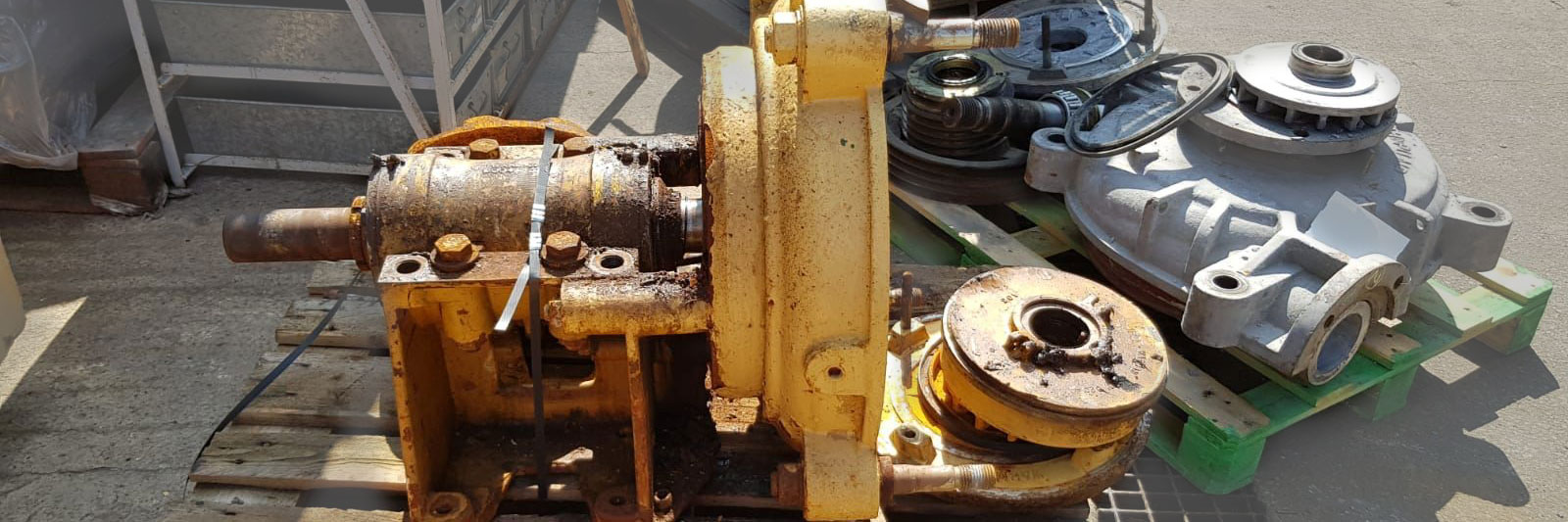
What causes an industrial pump to fail before the end of its expected life cycle? In many cases, pumps fail prematurely due to a combination of avoidable design, installation, operation, and maintenance issues that gradually degrade performance until breakdown becomes inevitable. In other words, the failure happens because the pump is made to do things it was never designed to do. A pump that is incorrectly sized for its application, marginally misaligned, or handling more solids than designed for may appear to run normally for weeks or even months, while internal damage steadily accumulates and energy wastage exponentially grows.
If you are considering an upgrade or reviewing your monitoring options for a dewatering or water management project, please get in touch with Atlantic Pumps for support in selecting the right configuration for your application. A pump that is incorrectly sized for its application, marginally misaligned, or coping with more solids than expected may appear to run normally for months or even years, while internal damage steadily accumulates, and energy is wasted.
For maintenance managers, the challenge is that many of the most damaging conditions are created by everyday decisions around selection, installation, and operation rather than dramatic faults. This article looks at the most common pump failure causes, explaining how routine mistakes and changing site conditions lead to wear, inefficiency, and ultimately breakdown.
1. Poor pump selection
Incorrect pump selection is one of the most common starting points for long-term maintenance issues, essentially setting your pump up for failure from day one. Selecting a pump that is too small often leads to overloading, excessive wear, and operation beyond its design limits. Conversely, oversizing a pump may, on paper, appear like a tempting way to expand your operational flexibility, but it frequently forces the pump to operate outside of its Best Efficiency Point (BEP). Over time, this increases internal hydraulic forces, vibration, and energy consumption, all of which accelerate component wear.
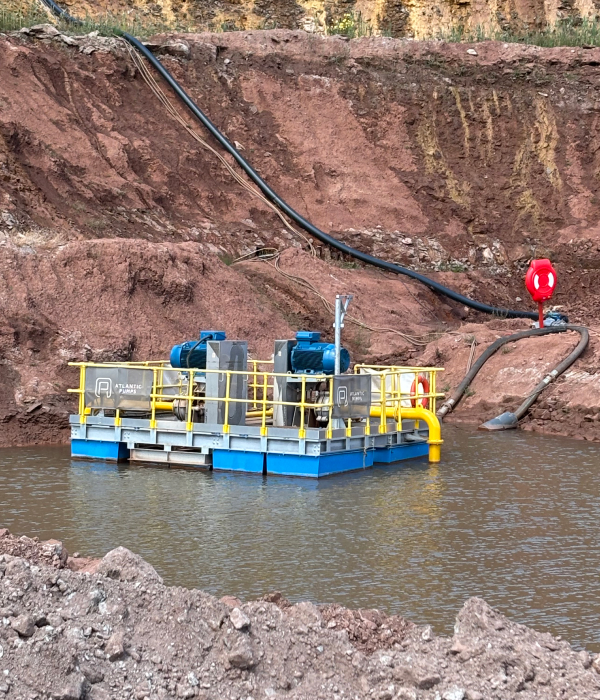
An example of this issue can be seen in mine dewatering. As mining progresses, the head height required to lift water to the surface continually increases. One approach is to oversize the pump at the outset to allow for future conditions. In practice, this results in a larger, heavier pump that is difficult to relocate as the dewatering points move deeper. Oversized pumps also use more energy than necessary and are more susceptible to damage when operated off-design.
There are several types of pump technology to choose from, and within these there are ones designed for specialist, or challenging duties. Ensure your pump supplier is aware of your fluid and operation conditions and has the experience to guide you.
2. Running Pumps dry or with inadequate supply pressure
Running pumps ‘dry’ is a well-documented cause of premature failure. There are two reasons for this: overheating and cavitation.
Most pump types rely on the cooling and lubricating properties of the fluid continually flowing through, taking away the heat generated by friction. Cavitation is caused by rapid changes in vapour pressure, often as a result of low pressure at the pump’s intake. A low supply of water can create intake cavitation, causing air bubbles to form, then violently collapse. Cavitation can cause a surprising amount of damage in a short space of time and should be prevented with a cut-off device (eg a low-level float switch). Surface pitting is a sign of cavitation damage.
Centrifugal submersed pumps are particularly at risk of overheating, as they are designed to use the surrounding water to keep the motor cool. Even a short span of dry-running can cause irreversible damage to a pump’s moving parts as thermal expansion causes rubbing or binding between moving parts.
In applications where water levels fluctuate, such as sumps, pump stations, and mine dewatering applications, poor level control or inadequate monitoring significantly increases this risk. Over time, repeated occurrences of dry running cause degradation of seals and rotating parts, leading to worn surfaces, seized parts, leaks, electrical faults, and potentially motor failure.
3. Poor installation and alignment
Installation issues are another frequent cause of pump failure. This is because poor alignment between the pump and motor places continuous mechanical stress on the bearings and shafts, leading to increased vibration and accelerated wear. Inadequate foundations or poorly secured pipework can compound this problem by allowing movement under load, further increasing mechanical stress. These issues rarely cause immediate failure, but they do create the conditions for components to wear unevenly, and for seals to degrade faster than expected. Performance and reliability steadily decline until failure occurs under normal operating conditions.
4. Blockages and solids handling issues
When pumps are not designed for the solids content or material characteristics of the fluid, partial and full blockages can develop. These restrictions increase internal pressure on the components, reduce flow, and cause abnormal vibrations. In severe cases, complete blockages can trigger overheating and mechanical failure. In abrasive or solids-laden applications, such as quarrying, mining, or sludge handling plants, incorrect pump selection or inadequate protection accelerates wear and tear on the impellers, casings, and wear plates. Abrasive erosion reduces hydraulic efficiency and creates imbalances that further increase vibration and bearing loads.
5. Operating outside the recommended performance limits
Consistently operating a pump outside its recommended performance envelope is a major contributor to premature failure. For example, running a centrifugal pump too far away from the BEP increases radial and axial loads on the rotating components. This results in higher vibration levels, seal wear, and bearing fatigue. While pumps may tolerate short periods of off-design operation, prolonged exposure significantly reduces service life. In mine dewatering, this risk often increases as the conditions change over time. As water accumulates at greater depths, pumping requirements evolve. Without adapting the system, the pumps are forced to work harder and less efficiently, increasing the likelihood of failure through overheating or a mechanical fault.
An alternative and less risky approach is to use modular mine dewatering skids. Rather than oversizing or repeatedly replacing your pumps, this method allows correctly sized, proven pumps to be installed in stages as the head requirements increase. The system maintains efficiency, reduces energy consumption, and simplifies relocation as the mine develops. Water can also be held at intermediate levels, where it may be reused for other purposes, such as dust suppression, reducing your overall demand.
Next steps
Most pump failures follow a predictable pattern. Small issues, such as incorrect selection, minor misalignments, restricted flow, or poor maintenance, gradually combine to create conditions conducive to failure. Understanding these patterns is a key part of effective pump failure analysis.
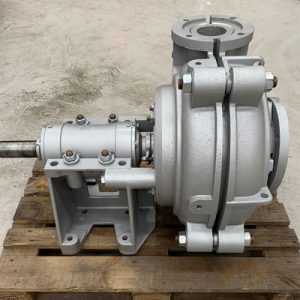
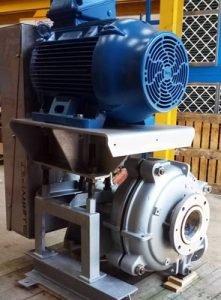
Hopefully, this article will help you avoid costly pump failures in the future, but if you do have a failed pump – all is not lost. Below is the same pump shown at the top of this page – a Warman 6×4 after an overhaul and energy-efficient motor mounting at Atlantic Pumps’ workshop:
Atlantic Pumps engineers can undertake maintenance-in-place condition monitoring or full stripdowns in the workshop. For upskilling your internal team, check out our live pump training sessions and other training resources.
If you need support reducing your pump failure risk, please contact Atlantic Pumps today to discuss the causes of pump failure, discover practical solutions to improve the reliability of your pump assets, and reduce your long-term operating costs.
We also take a sustainable approach to our work and are committed to reducing energy waste from pumps. Our expert knowledge allows us to reduce energy usage by 20% on the average site!
Call us today on 0800 118 2500 for more information.