August 26 2026
 4 min read
Every year, the Stockholm International Water Institute (SIWI) organizes World Water Week, bringing global focus to critical challenges surrounding water governance, conservation, and resource security. The theme for 2026, “Water for People and Progress,” highlights a crucial reality: genuine economic and human development cannot occur without protecting, managing, and sustaining our shared water systems.
In heavy industries—such as quarrying, mining, recycling, and wastewater treatment—pumps are the primary machinery governing water movement. From dewatering deep excavations to circulating abrasive wash-water, industrial pump systems dictate how efficiently, sustainably, and safely an operation uses water.
Achieving meaningful progress requires process managers and plant operators to rethink how water equipment is specified, operated, and maintained. Here is how modern pump engineering aligns with the vision of sustainable progress.
Advancing Circular Water Systems
Modern aggregate and mineral mining has made great progress moving away from the traditional, linear extraction model of “extract, use, and discard” that was employed for thousands of years. Continuing this movement, modern quarrying, mining and processing sites are increasingly moving to circular water loops where process fluids are continually filtered, treated, and reused. This, alongside responsible mine dewatering, treatment and aquifer recharging, protects regional groundwater levels and natural bodies of water from pollution and depletion.
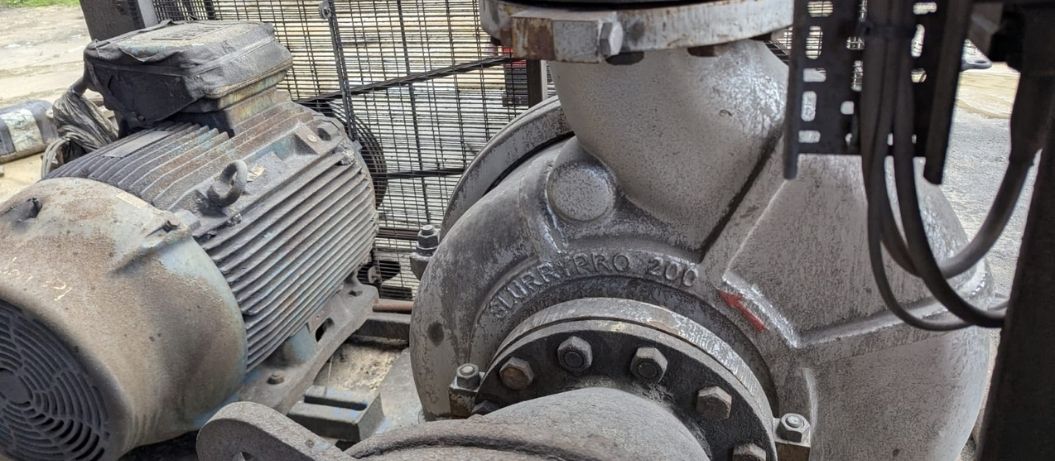
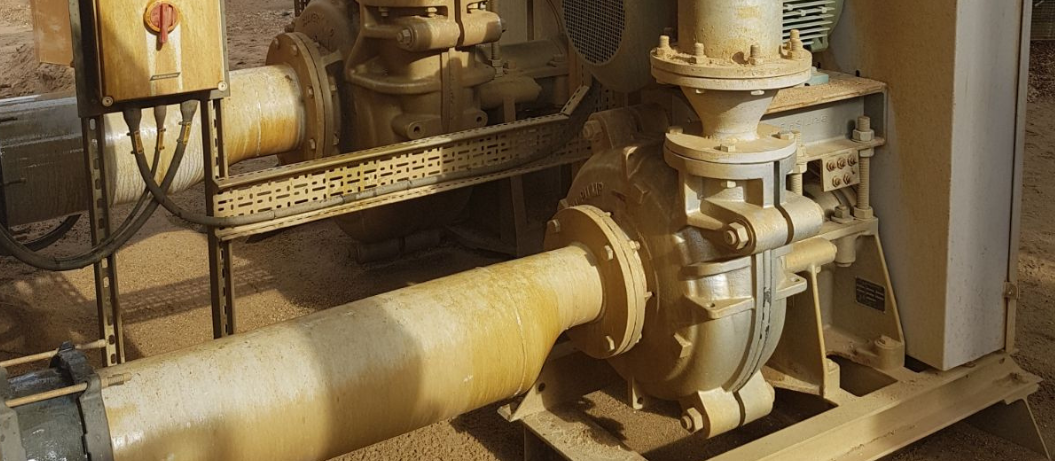
Centrifugal slurry pumps and heavy-duty wash-plant pumps sit at the centre of this circular approach. By specifying pumps designed with longer-lasting wear parts, efficiently engineered impeller geometries, and application-specific mechanical seals, sites can reliably transport fluid loaded with dense solids without constant clogging or failure.
When used with modern solids-separation equipment and filter presses, high-efficiency slurry pumps help sites recover clean water from thick sludge. This reduces raw water demand, lowers trade effluent costs, and maintains operations during seasonal droughts.
Protecting Surrounding Ecosystems from Contamination
“Water for People” relies on preserving the quality of local rivers, streams, and groundwater tables. For quarrying and civil engineering projects, managing groundwater and heavy rainfall runoff is vital to prevent silt, uncontained fines, or hydrocarbons from escaping site boundaries.
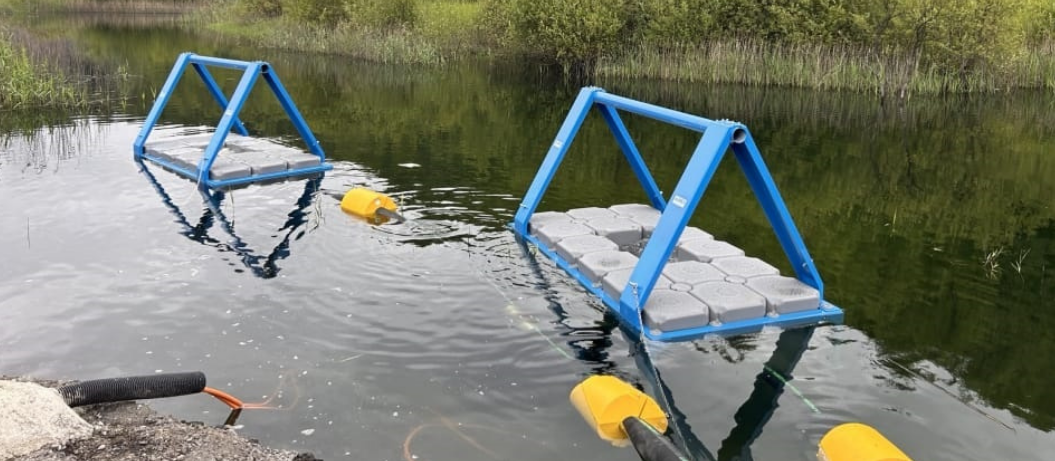
Submersible dewatering pumps such as the Audex range, coupled with monitoring and treatment systems such as EnviroHub, serve as a site’s frontline defence against environmental breaches.
Correctly specifying, installing, and monitoring dewatering equipment ensures that water discharged back into local catchments meets strict environmental standards.
EnviroHub is a modular system that is tailored to the monitoring, treatment and recording needs of each location, designed specifically for typical quarry and construction site dewatering. It can be interconnected for automatic operation 24/7, with remote monitoring and automated data logging via the Senteos online portal.
Decarbonising Water Movement Through Efficiency
Sustainable progress demands reducing the carbon footprint associated with industrial processing. Moving millions of litres of water and abrasive slurry daily requires substantial energy; in many plants, pumping systems account for up to 40% of total electrical energy costs.
A major contributor to wasted energy is operating pumps away from their Best Efficiency Point (BEP).
When a pump is oversized “just in case” or severely throttled by a discharge valve, the excess energy that should be moving fluid is converted into heat, hydraulic turbulence, and vibration. This not only wastes electricity but subjects the pump shaft to excessive radial thrust, resulting in deflected shafts, premature bearing failure, and leaking mechanical seals.
To eliminate energy waste, plant managers can:
Correctly-size equipment: Select pumps tailored precisely to actual duty points rather than over-or-under specifying capacity.
Implement Variable Speed Drives (VSDs): Modulate motor speeds dynamically to meet changing system demands without wasting head pressure via the use of throttling valves.
Maintain Internal Clearances: Replace worn impellers and wear rings promptly; excessive internal tolerances allow fluid to recirculate internally, increasing energy consumption per litre moved.
Building Asset Longevity to Eliminate Scrap Waste
Resource stewardship goes beyond fluid management—it applies directly to the physical equipment on site. Replacing entire pumps prematurely due to neglect or improper specification wastes steel, cast iron, copper, and elastomers, running counter to sustainable practice.
Choosing pumps designed for long operations in the industrial environment they’re in is key to maximising resource use.
Once pumps are installed, transitioning from a reactive (“run to failure”) maintenance model to a proactive regime extends asset lifespans dramatically:
| Maintenance Strategy | Operational Impact | Environmental & Resource Impact |
| Reactive Maintenance | Unplanned downtime, higher repair bills, secondary damage to shafts and casings. | Frequent scrap waste, emergency shipping emissions, short equipment lifespan. |
| Proactive Maintenance | Scheduled servicing, baseline vibration monitoring, planned wear-part replacement. | Extended asset lifespan, minimal scrap, optimized energy efficiency over time. |
By tracking baseline vibration levels, maintaining correct oil levels in seal chambers, and swapping out wear components before structural housings fail, engineers can double the Mean Time Between Failures (MTBF) of their pumping assets.
Atlantic pumps provide site support as needed, from full inspections and servicing to backing up your inhouse maintenance engineers.
Smarter Engineering for Sustainable Progress
The message behind World Water Week is clear: securing our water future requires practical, multi-faceted action across every sector. For pump operators and process managers, adopting circular fluid processes, preventing environmental contamination, optimising energy efficiency, and maximising asset longevity represent clear steps toward sustainable industrial operations.
At Atlantic Pumps, we specialise in helping heavy industry manage fluid processes efficiently, reliably, and sustainably. Whether you need an energy audit on an existing pumping system or advice on specifying high-durability slurry equipment, our engineering team is here to support your goals.
To discuss your site’s water management efficiency or request an asset health audit, contact the Atlantic Pumps team on 0800 118 2500 or complete the form on our Contact page.
We also take a sustainable approach to our work and are committed to reducing energy waste from pumps. Our expert knowledge allows us to reduce energy usage by 20% on the average site!
Call us today on 0800 118 2500 for more information.