June 26 2026
 2 mins min read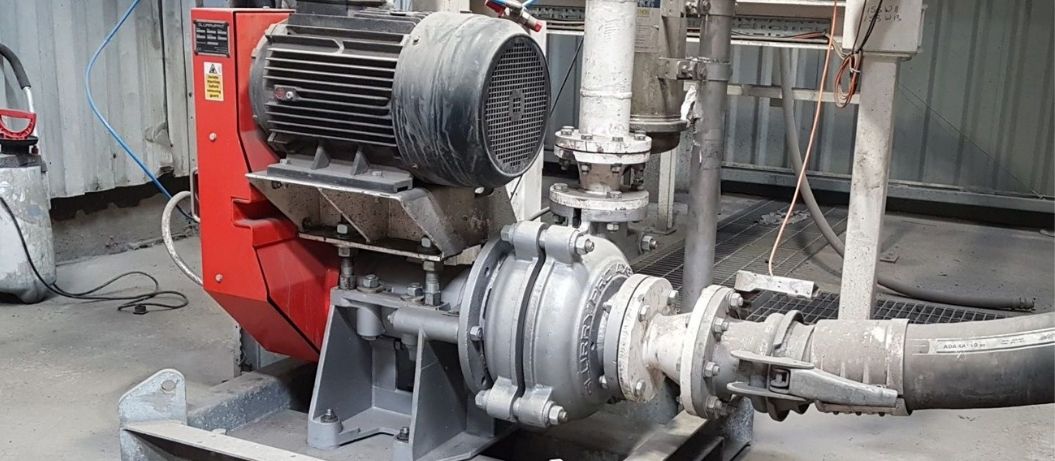
Emergency pump hire or predictive maintenance?
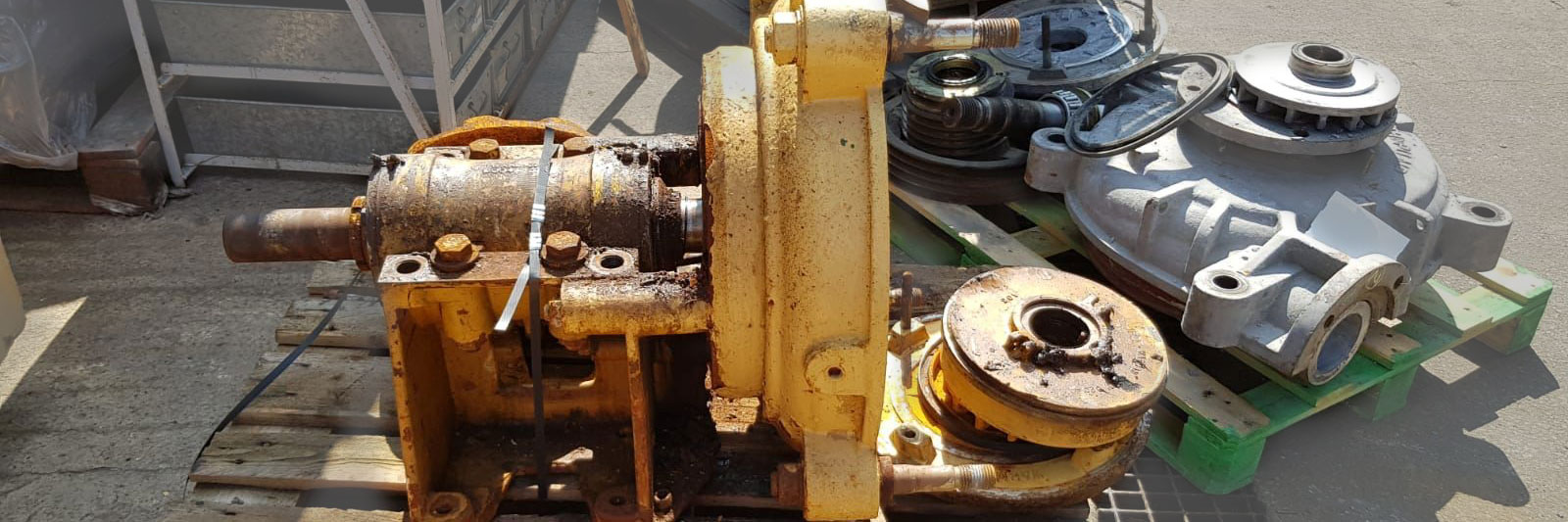
An unplanned pump failure can bring your operation to a shuddering halt without any warning. The operational impacts of this are often immediate and widespread, ranging from process disruption to flooding and environmental damage, and can escalate within hours if not addressed rapidly. In these situations, your response time is critical. So, what is the best way to help your maintenance teams restore functionality as quickly as possible under pressure? In this article, we explain why hiring an emergency pump is often the best option when faced with an unplanned pump failure.
Pump failed? The fastest way to avert downtime and disruption
There is a consistent theme in many engineering blogs when it comes to averting unplanned failures of some kind: prevention is better than cure. The best way to avoid asset downtime is to invest in predictive maintenance, addressing cheap early-stage faults rather than expensive critical failures. Fair enough, but when an asset does fail, what you need is a fast and immediate response. When a pump shuts down, the limiting factor is rarely the repair itself but the time required to restore hydraulic capacity. Sourcing a replacement unit, confirming duty requirements, and arranging installation can take days or even weeks, during which rising water levels or halted processes continue to escalate risk.
Emergency pump hire bypasses this delay by providing pre-configured units matched to your typical duty ranges, often available for immediate deployment. Because hire fleets include compatible pipework, fittings, and control systems, they can normally be integrated quickly into your existing infrastructure with minimal modification. Meanwhile, a specialist support team can help your crew with the correct sizing and setup, reducing the risk of underperformance or further system instability.
Restoring temporary flow capacity stabilises your water levels, maintains process continuity, and prevents secondary issues such as flooding, sediment build-up, or compliance breaches, giving your operators time to plan and implement a permanent or predictive solution without operational pressure.
The business case for emergency pump hire
When a pump fails, the priority is restoring flow, not sourcing permanent equipment, which is why pump hire is often the preferred option for one-off emergencies, where rapid deployment is needed without a long-term commitment. Even for short-term non-emergency projects lasting a few weeks to a few months, hiring is typically the most cost-effective and flexible option for most operations. Mobile pump types such as peristaltic and progressive cavity pumps are particularly suited to hire due to their ease of transport, installation, and operation in temporary setups, compared to fixed or integrated systems.
Many pump rental agreements include maintenance and servicing as standard, reducing both your project costs and operational burden. Renting your emergency pumps also avoids the large upfront capital expenditure required for permanent assets, allowing businesses to preserve cash flow and allocate their funds elsewhere.
Case Study – Wastewater pumping station gets a hire pump installed same-day
A case in point is the recent deployment of a progressive cavity pump on hire. The new client, a water company in England, had been experiencing pump trouble for weeks. Things came to a head when 24/7 tankering was required to prevent serious sewage spills. This level of tankering is not only expensive but also highly likely to pose a nuisance to the residents in this quiet rural village. Atlantic Pumps immediately dispatched a pump skid on hire, which was fully operational that same day. As a side story, the actual pump – a Toro progressive cavity – proved so much more reliable than the original asset that the water company have since invested in more of them to improve reliability at other locations. In a positive irony, our new client is probably less likely to need emergency pump coverage (let alone tankers) now that they’ve found the right pump for the job!
Looking to hire a pump? Contact us
At Atlantic Pumps, we aim to be the most responsive company in our sector. Time-to-solution is never more important than in situations that involve challenging sludges, slurries, and abrasive liquids, so we created our time-and-cost-effective emergency pump hire service to minimise downtime and get your site operational again as quickly as possible. To request a quote and delivery time, please contact one of our team members today. In emergency, use our 24/7 WhatsApp service on 07537 149 180
We also take a sustainable approach to our work and are committed to reducing energy waste from pumps. Our expert knowledge allows us to reduce energy usage by 20% on the average site!
Call us today on 0808 196 5108 for more information.