March 3 2026
 3 min read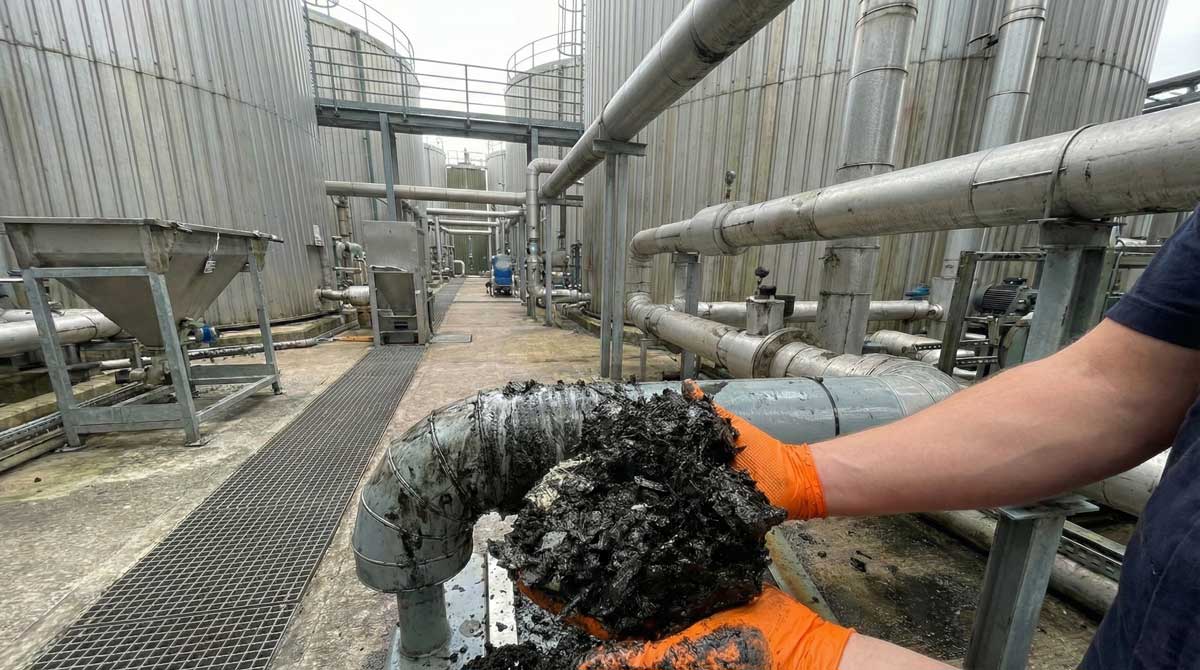
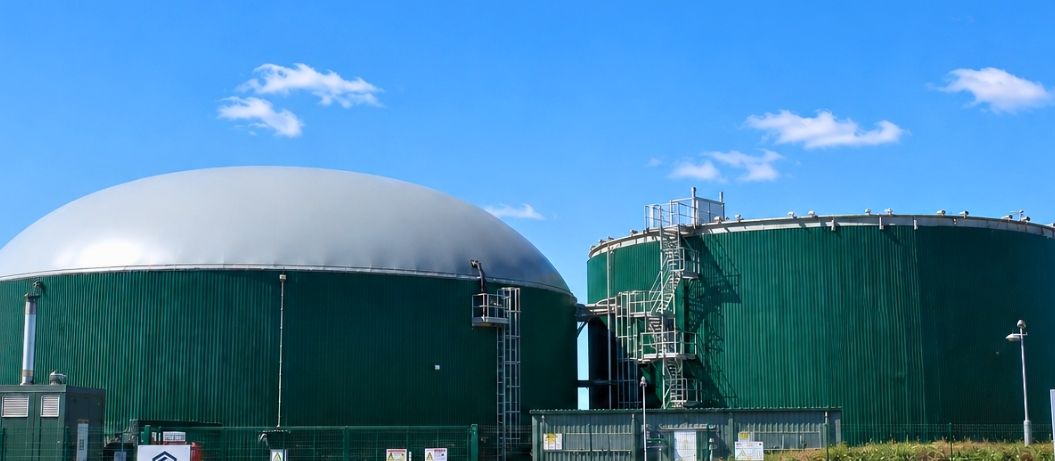
Even small amounts of grit can lead to costly issues in anaerobic digestion systems:
- Equipment wear, blockage, and breakdown – pumps, mixers, feed conveyors.
- High maintenance and replacement rate of wear parts.
- Extended downtime and resource loss.
- Increased energy consumption.
- Heavy inorganic particles reduce digester capacity.
Abrasion wear in AD systems
Abrasive wear on paddle surfaces, pumps and pipework is one of the most common causes of downtime and system outage in AD plants. When wear rate increases, revenue decreases.
So, what can be done about this abrasive issue? Today, there are more practical answers than ever before.
These include grit removal technologies, deploying highly wear-resistant equipment, and taking new approaches to tank de-gritting and infrastructure design.
The Chief Culprit: Grit
Grit and heavy buildup didn’t seem to be top of mind for the early inventors of AD systems. Most digesters are flat-bottomed and difficult to clean. Original pumps often prove inadequate. The result is higher-than-expected operating costs and energy wastage.
While most feedstocks contain some grit, those involving mixed food waste or root crops, such as sugar beets, are especially abrasive. Food waste from catering companies often includes eggshells, nut shells, and contaminants such as tin and glass packaging pieces. Just 0.5% of grit content can have an out-sized impact on the profitability and sustainability of an AD facility.
In any process stream, the cumulative effect of fast-moving abrasive solids can wreak havoc on equipment and infrastructure. Even the smallest sand grit is a problem; large quantities of fine sand pass through grit traps and filters, making a ‘perfect sandblasting media’. At speed, this abrasive fluid eats away at pipe and pump surfaces.
The cost of spares and the excessive energy consumption caused by wear quickly over-takes the over-promised capital ‘savings’ made by poor pump choice.
While fast-flows accelerate wear, low flows cause solids to settle out and sometimes lock together, forming semi-solid blockages.
The bottom of AD digesters is where settled grit and other heavy inert matter often accumulate, reducing their treatment capacity and effectiveness. Furthermore, heavy grit places strain on mixing and stirring equipment, leading to severe abrasion wear and higher energy use.
Therefore, digestors need to be periodically emptied and cleaned.
Tank Emptying and Degritting
It’s common to see AD digester capacity losses of 20-30% over 3 to 5 years. This means either the input capacity is reduced or the hydraulic retention time (HRT) falls below the optimal treatment level.
The gradual loss of capacity can result in a critical point being reached, where sudden foaming can occur due to an imbalance in diet and retention time.
To clean a digester tank usually requires emptying it and removing the roof, a mammoth task that takes it offline for days, even weeks. The gases must be purged from the tank before opening it to prevent the risk of explosion and emission leakage. Once the tank has been refilled, the biological process takes days to recover from the interruption. The whole process typically costs tens of thousands and can take two or three weeks to complete.
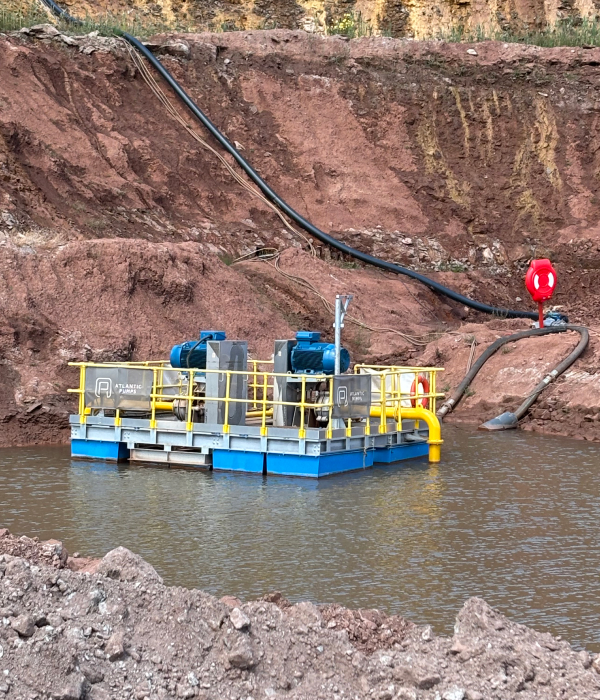
Atlantic Pumps has transferred technology developed in the mineral extraction industry to digester emptying and grit-trap cleaning, resulting in digesters being back online days earlier than conventional methods – a major cost and production benefit.
Getting to Grips With Grit
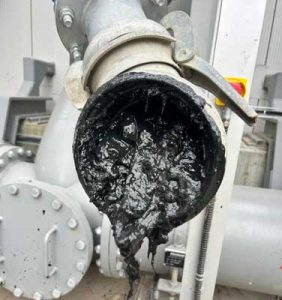
AD operators no longer have to accept the high cost of premature wear and grit buildup as inevitable. There are many proven methods and technologies to reduce or even eliminate many abrasion and grit-fouling issues.
Here are some tips:
- Pre-wash field crops to remove sand, stones and soil.
- Grit Removal: separate out as much heavy grit as possible prior to the digester tanks.
- Use sectional bolted pipework, rather than welded. This means that sections can be easily removed for blockage clearance or replacement – without the danger of cutting (hot work).
- Use appropriate pumps for each stage and duty.
Washplants are ideal for cleaning soil off root crops. They pump water jets over vibrating screens. Screens are good for removing rag and large solids, but can also trap digestible bio-solids. Vortex, centrifuge, and lamella systems can separate light and heavy solids from liquids, but can struggle with heavy sludges.
Use pumps that are designed for the specific nature of the media:
| Pump type | Grit suitability | Rag and large solids passage | High Solids (DM) / High Viscosity |
| Toro-Kronoa Progressive Cavity | Good | Good | Excellent |
| LSM Peristaltic | Good | Excellent | Excellent |
| SlurryPro Centrifugal Slurry | Excellent | Good | Good |
Within the above pump types, particular features such as grit resistance or solids handling can be enhanced. Build options include material choice (alloys and elastomers), sealing system, motor size, impeller design, and rotational speed.
Summary
Grit is a common problem across the majority of AD plants, increasing operational costs and threatening output quality and quantity. However, each AD system is unique, involving different feedstocks and microbial biology. The plant’s size and age, along with the feedstock and targeted outputs, determine the best course of action for improvements.
Specifying resilient pumps such as SlurryPro centrifugal, LSM peristaltic, or Toro-Kronoa progressive cavity types can extend service life and reduce replacement costs in abrasive or corrosive AD environments.
Atlantic Pumps’ Anaerobic Digestion team can advise on a case-by-case basis, drawing on their wide knowledge of pumping grit and abrasive-laden slurries. From dewatering sand quarries to speeding up the cleaning of digester tanks, Atlantic Pumps has a long history of successfully solving gritty issues.
We also take a sustainable approach to our work and are committed to reducing energy waste from pumps. Our expert knowledge allows us to reduce energy usage by 20% on the average site!
Call us today on 0800 118 2500 for more information.