January 28 2026
 4 Minutes min read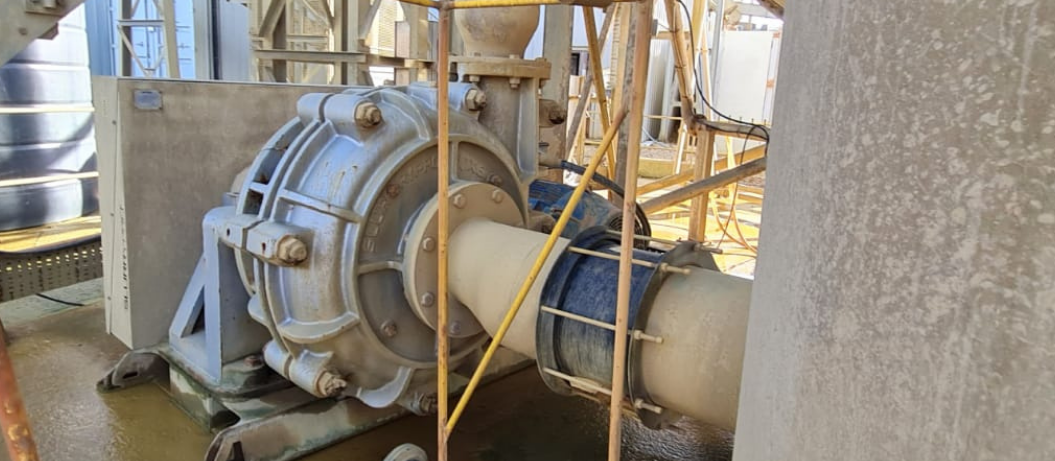
Abrasive solids such as grit, sand, mica silica, and fly ash act like sandpaper inside a pump, rapidly wearing down impellers, casings, and seal gaskets. To avoid costly failures, choose a pump specifically engineered for abrasive applications, such as a SlurryPro, built with hard-wearing materials, thick casings, wear-resistant liners, and replaceable components. These abrasion-resistant designs help maintain performance, reduce downtime, and extend equipment life across industries like water utilities, mining, and construction.
Operating pumps at the lowest acceptable flow velocity can reduce abrasive media wear. Pump speed is controlled by VFD (variable frequency drive), motor size, or gearing – although slow flow can cause silt settlement issues and can be problematic with certain pump types.
Choosing the right grit pump isn’t just about preventing breakdowns; it’s a smart way to improve reliability, lower operational costs, and support long-term sustainability goals.
Introduction
Grit, sand, and other abrasive aggregates are a constant (and unavoidable) hazard in wastewater and industrial process water treatment. These solids can degrade the energy efficiency of pumping systems, increase the rate of wear and tear on components, and raise the risk of an unexpected breakdown. The solution is to invest in a pump designed specifically to handle abrasive materials. In this article, we look at the characteristics of an abrasion-resistant grit pump, how they’re used, and how a strategic approach to pump selection and maintenance can improve operational stability.
Grit and abrasives in wastewater, and what you can do about it
Industrial wastewater is rarely ‘just water’: it is more often a blend of dissolved minerals with entrained solids such as sand, gravel, and other gritty materials. When this mixture flows through your pumping system, the abrasive particles act like sandpaper on the pump’s internal components. This continual friction can quickly erode your impellers, casings and seals, leading to a decline in performance. If left unaddressed, this wear can eventually cause your pump to fail, increasing both short-term energy costs, downtime and your long-term repair bill.
So, to maximise the longevity of your pumping assets, the pumps themselves must be built to withstand constant wear. Abrasion-resistant pumps are engineered with various features to protect them from the destructive effects of grit and other solids, for example:
- Hard-wearing materials: grid pumps are often constructed from durable, hard-wearing materials such as high chrome white iron, whose exceptional hardness makes it strongly resistant to erosion.
- Thick-walled casings: a thicker casing provides additional strength to withstand the knocks from suspended solids, extending the pump’s operational life even under demanding conditions.
- Replaceable parts: designing pumps with easily replaceable components and ease of access makes maintenance quicker and easier, and reduces the need to replace the entire unit each time.
- Specialist impellers: Specialised open or semi-open impellers can prevent solids from becoming trapped and causing damage to the pumping system. For large abrasive solids, hardened surfaces are generally best, while specialist rubber material can be better for wastewater containing microscopic grits.
Where are abrasion-resistant pumps used?
Within the UK water industry, the shift towards a Total Expenditure, or ‘TOTEX’ model, places greater emphasis on long-term value over short-term costs. Investing in durable and long-lasting pumps is a key part of this strategy for many organisations. By implementing durable pumps capable of resisting wear and tear from grit and abrasives, water companies can reduce their operating overheads and ongoing maintenance expenses.
This forward-thinking approach directly supports the sustainability goals of the water industry during the AMP8 period. For example, abrasion-resistant pumps can help create a more resilient and cost-effective water infrastructure by lowering the embodied carbon costs associated with frequent equipment replacements. In a recent case study from the waste management sector, changing a fast-wearing pump for an industrial peristaltic pump yielded significant savings on spare parts and repairs.
As a result, abrasion-resistant pumps are now essential assets in many industries where wastewater fluids contain a high concentration of abrasive solids. Some of the main applications include:
- Mining and mineral processing: In these sectors, pumps are used to move abrasive slurries and tailings through the water treatment system.
- Water utilities wastewater treatment: Abrasion-resistant grit pumps are essential for safely moving pre-screened inlet water and sewage sludge.
- Construction and dredging: pumping water containing silt, sand, and other debris is a common requirement on many construction and dredging sites.
What can you do to extend the wear life of existing pumps?
Operating pumps at the lowest acceptable flow velocity can reduce wear rate from abrasive media. Methods for reducing pump speed include fitting a VFD (variable frequency drive) or using gearing. However, there can be some trade-offs and limitations involved; slower flow can lead to solids settling out of suspension, leading to blockages, and some pumps have an operating speed window that needs to be observed.
Centrifugal pumps can be slowed down – but pay close attention to their performance curve to stay within the allowed operational window for pressure and flow. Positive displacement pumps are well suited to speed control, although most types rely on very close tolerances – which means they might not tolerate wear like their open-impeller centrifugal cousins can.
Some centrifugal pumps allow for periodic adjustment of the impeller to compensate for wear, while others have options on liner and ‘wet-parts’ materials when it comes to replacement parts. Spare parts can keep many pumps going almost indefinitely, but the cost of this approach needs comparing with the savings that a new, better-matched pump could give. Pump speed is controlled by VFD (variable frequency drive), motor size, or gearing.
Find out more
For water utilities, mineral processors, and wastewater treatment businesses, a pump engineered to handle grit and abrasives will pay long-term dividends through increased reliability, lower maintenance costs, and a longer service life. If you’d like to find out more or need support choosing the right pumping solution for your abrasive application, please get in touch with one of our team members today. Contact us to speak with an expert or explore our solutions for the waste and wastewater sector.
We also take a sustainable approach to our work and are committed to reducing energy waste from pumps. Our expert knowledge allows us to reduce energy usage by 20% on the average site!
Call us today on 0808 196 5108 for more information.