 0800 118 2500
 27th October 2026
 2 min read
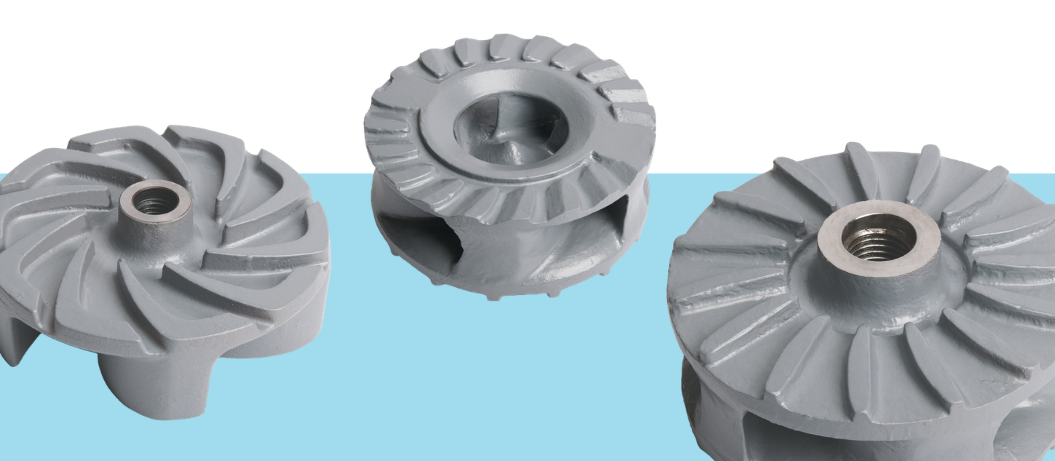
When specifying pumps for aggressive duties, the baseline is hard-chrome or stainless steel. But when fluids are simultaneously abrasive and corrosive, or highly saline, even marine-grade steel can degrade rapidly.
Upgrading to duplex, super duplex, or nickel-based exotic alloys comes with a higher upfront cost—so when does the investment actually deliver a return?
High-Chloride & Saline Environments Standard
Austenitic stainless steels (such as 316) are notorious for rapid pitting and crevice corrosion when exposed to constantly high chloride levels, particularly as temperatures rise. Duplex alloys (e.g. 2205) provide significantly higher resistance, while Super Duplex (2507) offers a Pitting Resistance Equivalent Number (PREN) above 40—ideal for marine dewatering, brackish mine water, and aggressive brine applications.
High Pressure & Mechanical Fatigue Duplex
These alloys possess roughly twice the yield strength of standard austenitic stainless steels. If your application involves high discharge heads, cyclic pressure pulses, or demanding mechanical loads, duplex materials permit lighter castings and far superior fatigue endurance.
Corrosive Slurries (Erosion / Corrosion)
In applications where abrasive suspended solids combine with corrosive chemicals—such as acidic mine drainage or chemical processing—the fluid continuously strips the metal’s protective oxide layer. Standard hard metals erode chemically, while softer corrosion-resistant alloys wear away mechanically. Duplex and exotic alloys (such as Hastelloy) deliver hardness and stability for combined erosion-corrosion wear.
The Takeaway
Upfront material cost represents only a fraction of total lifecycle cost. If your pump handles warm chlorides, severe acids, or abrasive, chemically active slurries, paying for duplex or exotic alloys can be cost effective long-term.
- Technical
- Water & Wastewater
- Pre-cast & Readymix Concrete
- Mining and Quarrying
- Heavy industry and Manufacturing
- Food Processing
- Anaerobic Digestion and Biogas
- Recycling
- Oil and Gas