July 29 2026
 4 min read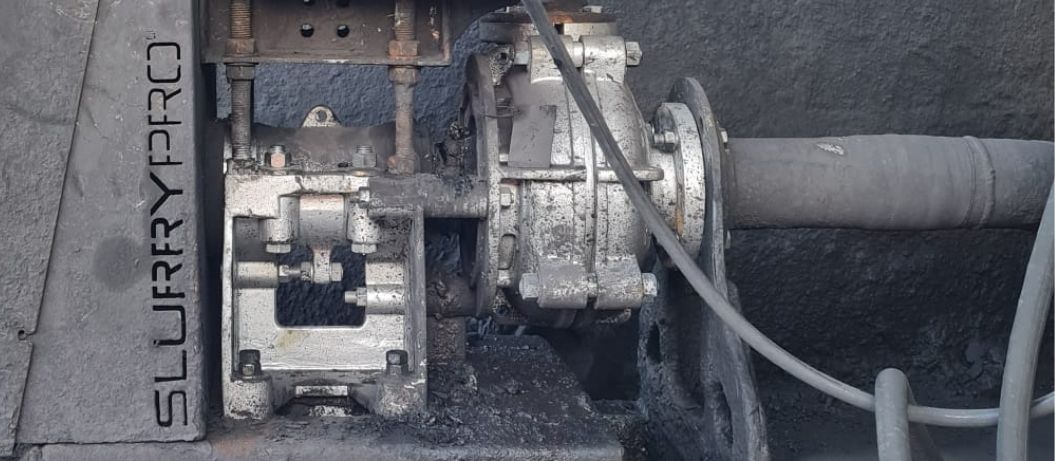
Slurry pump wear has long been an unavoidable challenge in mining, but as environmental standards have tightened across the UK and European mining industry, the physical demand on pumps has only grown. This is frustrating, as accelerated pump wear is one of the main drivers of unplanned downtime, high maintenance costs, and low site productivity in mining operations. Can anything be done about it? In this article, we dive into the leading causes of slurry pump wear and how to mitigate your risk.
What factors affect slurry pump wear in modern mining?
Internationally, and especially in countries with a long history of extraction, ore grades of common metals are in decline due to a cocktail of geological, economic, and demographic reasons, while the energy transition away from fossil fuels is ramping up demand for ‘critical minerals’.
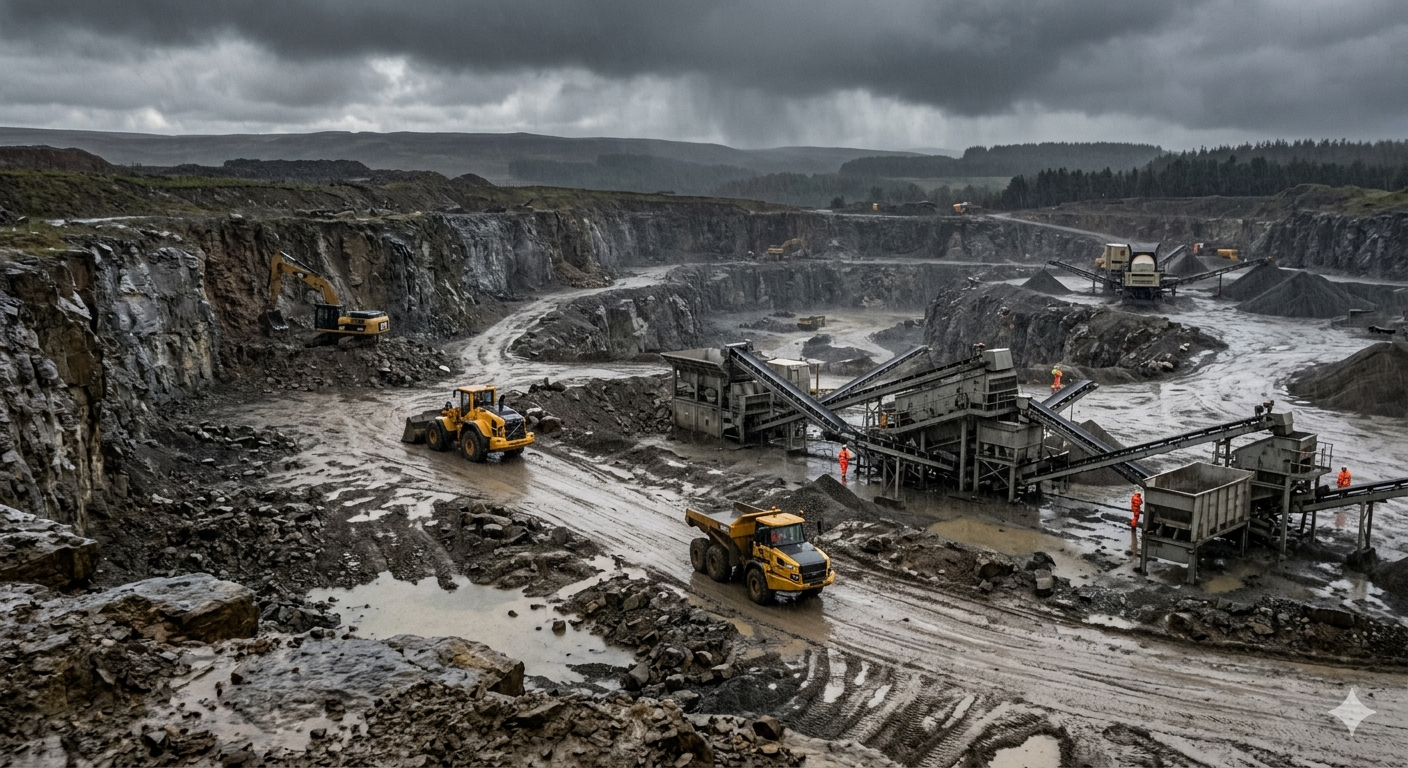
These Critical Minerals, or “rare earth” metals occur in far smaller concentrations compared to the iron, lead and tin that were so in demand during the Industrial Revolution. Unlike mines of the past, sustainable mining practice no longer sees the dumping of tailings. Today’s mines process every bit of material extracted, with as much as possible turned into useable, if not valuable, product. What used to be sent into a tailings dam, now goes into a high-pressure filter press or high-flow separation system. The result is clean, clear water and useable ‘pure’ minerals such as sand, clay or valuable co-products.
This means mines must process larger volumes of material under strict quality control, which directly increases the demand on slurry pumps and requires larger, more robust systems to maintain efficiency. Pumps are usually the most efficient way to transport tailings and sludge, and offer great environmental benefit over haul trucks where renewable electricity is available. Water and pipes act as the carrier instead of roads, haul trucks and wheeled tankers, and water reuse is relatively easy to implement.
However, even under normal conditions, pumps can account for 18–28% of total plant energy use and process water can be lost through evaporation, highlighting the need for operational best practice and optimisation of solids/water slurry mix. Energy use and replacement part costs can spike significantly if the asset is damaged or put under strain, while reducing the solids concentration requires more water and volume to be pumped – pushing energy consumption back up. This demonstrates the importance of pump system design – merging hydraulic and fluid motion theory with practical experience and pilot testing – to get the best outcomes.
But there are other factors, more within an individual operator’s control, that often force slurry pumps to work outside the asset’s optimal performance range. This further increases wear and energy consumption, reduces equipment lifespan, and raises the number of servicing interventions.
For example, particle size, shape, and hardness are usually the biggest drivers of wear. Hard minerals such as quartz are known to dramatically accelerate wear, but other particles also take their toll. Coarse, larger particles are likely to cause more impact damage to a pump; angular particles tend to cut and gouge surfaces, whereas fine particles cause sliding abrasion across a wide area. This is why it is essential to calibrate your choice of slurry pump and its components to the entrained solids your duty will encounter.
The slurry velocity (flow speed) makes a significant difference, with a non-linear effect on wear. However, while higher velocities exponentially increase the rate of erosion, if the velocity is too low, the solids can settle out of the slurry, causing blockages and localised wear from recirculation and turbulence. What we seek is the ‘Goldilocks Zone’ or optimal velocity window for each system, in which the rate of wear is manageable yet the flow rate remains above the slurry’s minimum settling velocity.
The solids concentration – i.e. how thick the slurry is – also matters a lot. Higher concentrations create more particle-to-surface contact and cause more wear, but highly diluted slurry can intensify velocity and turbulence, also increasing wear. This makes the optimal solids concentration highly dependent on particle size and pump design, as wear doesn’t just arise from mechanical reasons. The fluid can be corrosive and abrasive. Acidic tailings can accelerate material loss, while some dissolved chemicals can weaken metallic surfaces. Combined corrosive/abrasive environments (common in some mining applications) amplify the effects of each wear factor.
How to reduce slurry pump wear in mining sludge applications
Faced with a barrage of risk factors arising from mechanical, operational, and chemical hazards, is there any way to mitigate or at least reduce the rate of slurry pump wear? Usually, yes. Although slurry pumps operate in a harsh environment, there is usually a pump designed and built to withstand it. A well-specified pump, in a well-designed system, should provide months of uninterrupted service. If you find yourself having to replace parts every 2 or 3 months, it’s likely the pump is unsuited to its operating conditions, or the connected system is poorly designed.
Within any industrial slurry pump family, there are multiple options for the pump designer. For example, some liner materials are better suited to different solids, with rubber better for fine particles and high chrome alloys better suited to coarse and hard particles. Submersible slurry pumps, meanwhile, are designed to operate directly within the slurry, reducing suction issues and improving efficiency in demanding dredging and mine dewatering applications. While good decisions can extend the lifespan of your asset and your ROI, poorly designed pumps can soon lead to excessive clearance between parts from surface wear or cavitation, increasing turbulence and recirculation in a spiral of escalated wear.
When specifying a tailings slurry pump, follow this checklist:
- Invest in a pump designed for abrasive slurries
- Specify wear-resistant materials
- Optimise the pump for your operating conditions
- Implement effective monitoring and maintenance practices to improve reliability and extend the pump’s service life.
- Specify advanced system controls that allow the pump to adapt to changing flow demands and system resistance.
- Factor in the head height, flow rate (if critical to a process), corrosiveness (such as high or low pH), and-importantly for tailings-the specific gravity (SG) of your slurry.
While it is not possible to avoid wear and tear altogether, being aware of the risks faced by your asset under your site-specific environmental conditions and knowing your fluid properties makes it easier to operate your pump at its Best Efficiency Point (BEP) over an extended period.
Download our SlurryPro Troubleshooting Guide
Our free SlurryPro Troubleshooting Guide contains all you need to know about submersible slurry pump technology, and how to manage tailings from mining operations without running into mechanical problems. Download a free copy today by clicking here.
We also take a sustainable approach to our work and are committed to reducing energy waste from pumps. Our expert knowledge allows us to reduce energy usage by 20% on the average site!
Call us today on 0800 118 2500 for more information.