June 27 2025
 5 min read
In the world of fluid handling and industrial pumping, sludge pumps and mud pumps often get mentioned interchangeably. While “sludge” and “mud” might sound similar—and in everyday language, they can refer to any messy, viscous fluid—their meanings and applications are very different in industry. For water companies, understanding the distinction between sludge vs mud pumps is essential for efficient system design, maintenance, and long-term operation.
Pressure and Performance
One of the key differences between these pumps lies in operating pressure. Mud pumps are engineered for extremely high-pressure applications, making them ideal for challenging environments like oil and gas drilling. Pressure ratings of 300 – 500 bar are common for drilling mud pumps.
They are specifically designed to circulate drilling mud—a controlled mixture of water, clay, and additives—under pressure to cool and lubricate drilling equipment via the drill string, force the cuttings up away from the drilling head to the surface, and maintain wellbore stability. If the pressure drops, there is a risk that the borehole will collapse as at this stage it doesn’t have the lining walls installed.
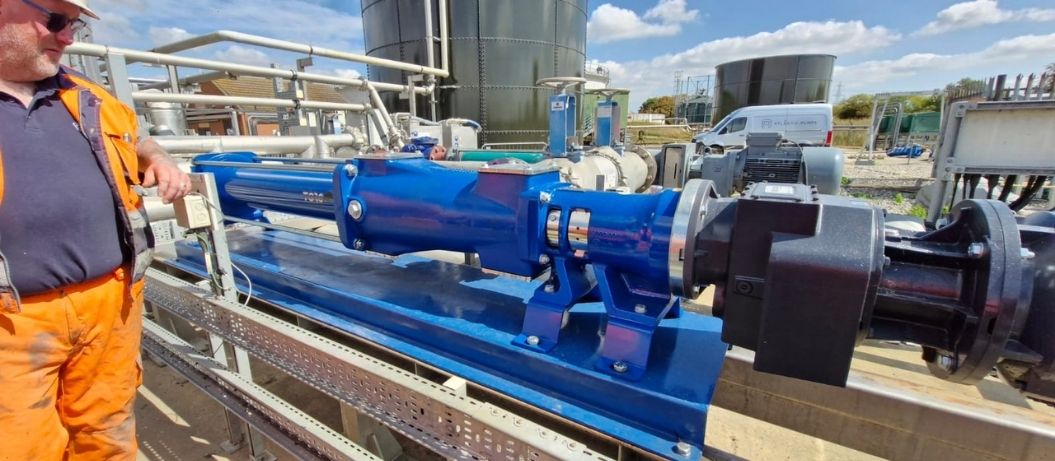
On the other hand, sludge pumps are designed to operate at lower pressures, for example, 10 or 24 bar (145 or 350 psi). Their strength lies in their ability to handle dense, viscous, high-solids-content materials, common in wastewater treatment, sewage handling, and other industrial waste management applications.
Fluid Composition and Material Handling
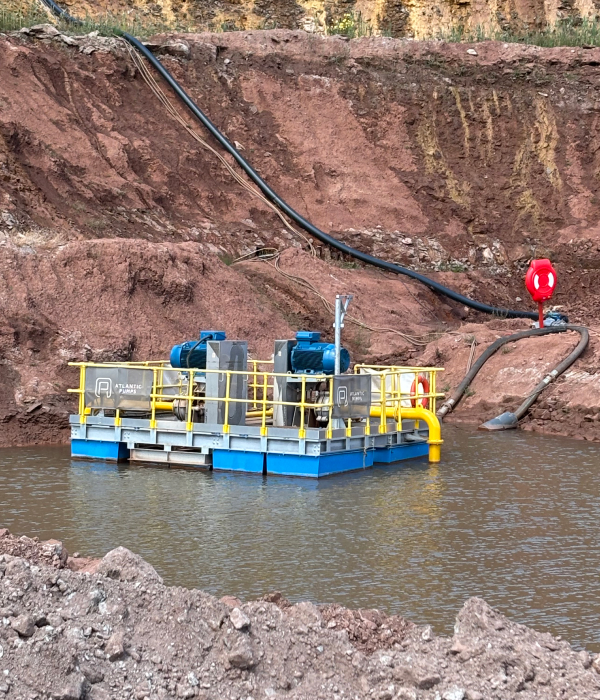
When it comes to the fluids being pumped, mud typically refers to a clay and water mixture used predominantly in drilling operations. This makes mud pumps critical in sectors like mining and construction, where they’re used to pump drilling mud down to the drilling head and back up again. The fluid aids in cooling and lubricating drill bits to prevent excessive wear, and transports the drilled cuttings to the surface. As large and abrasive particles are removed before the mud is recirculated back through the pump, positive displacement reciprocating ram pumps are ideal.
Conversely, sludge can describe a broad range of semi-solid materials, often originating from wastewater treatment, food processing, recycling streams, or chemical industries. Sludge may contain abrasive, corrosive, fibrous, or even toxic materials, which require sludge pumps to be robust, resistant to wear, and thoughtfully optimised to suit the particular sludge characteristics. Considerations like maximum particle size, viscosity, hardness of solids, and density are crucial to pump selection and performance longevity.
Operational Focus and Applications
The primary function of a mud pump is to maintain consistent circulation and pressure in drilling systems. Their role is essential for efficiency and safety in underground drilling operations. In contrast, sludge pumps are focused on transferring high volumes of difficult-to-handle materials. These include sludges with varying levels of solids, ranging from soft organic waste to large suspended particles and fibrous materials.
In fact, the term “sludges” (plural) is often used in the wastewater industry to reflect the wide variety of fluid waste types encountered. Proper pump selection and asset management here is vital, not only for efficiency but also for environmental compliance. Improper sludge discharge—like releasing untreated effluent into watercourses—can severely damage aquatic ecosystems, increasing Chemical or Biological Oxygen Demand (COD or BOD), triggering algae blooms, and smothering riverbeds with silt.
There are many advanced automations, remote pump control systems, and silt treatment techniques available to help manage energy and maintenance costs, and achieve environmental compliance. EnviroHub is a suite of modular units for monitoring and treating specific sludge contaminants. Senteos is a platform for desktop visibility and control of fluid system and equipment performance.
Final Thoughts: Choosing the Right Pump
When it comes to sludge vs mud, knowing the difference isn’t just academic—it’s practical. Water companies must consider fluid composition, pressure requirements, and abrasiveness to choose the correct pump. While mud pumps excel in high-pressure drilling environments, sludge pumps shine in the diverse and demanding world of waste management.
Still unsure? Make the right choice with Atlantic Pumps—your partner in smart, sustainable pumping solutions. For more information, please download our Water Industry Guide to learn how to manage sludge and grit more efficiently: Managing Sludge and Grit Guide, or contact us for application-specific advice.
We also take a sustainable approach to our work and are committed to reducing energy waste from pumps. Our expert knowledge allows us to reduce energy usage by 20% on the average site!
Call us today on 0800 118 2500 for more information.