August 25 2026
 2 min read
Sizing a fixed-speed pump for worst-case peak demand is a common trap on site. While it ensures you meet maximum throughput, it quietly drives up running costs and causes premature wear during normal day-to-day operations.
Key takeaways for plant managers:
- Avoid the “peak sizing” trap: A fixed-speed pump sized for peak maximum demand spends most of its working life running inefficiently – away from its Best Efficiency Point (BEP).
- Throttling valves waste money: Restricting flow with a valve forces the motor to fight artificial resistance—you are paying for electrical power (and wear) to overcome an obstacle you put in.
- VFDs slash energy costs: Variable Frequency Drives adjust motor speed directly. Dropping centrifugal pump speed by just 25% can cut your electrical power draw by nearly half.
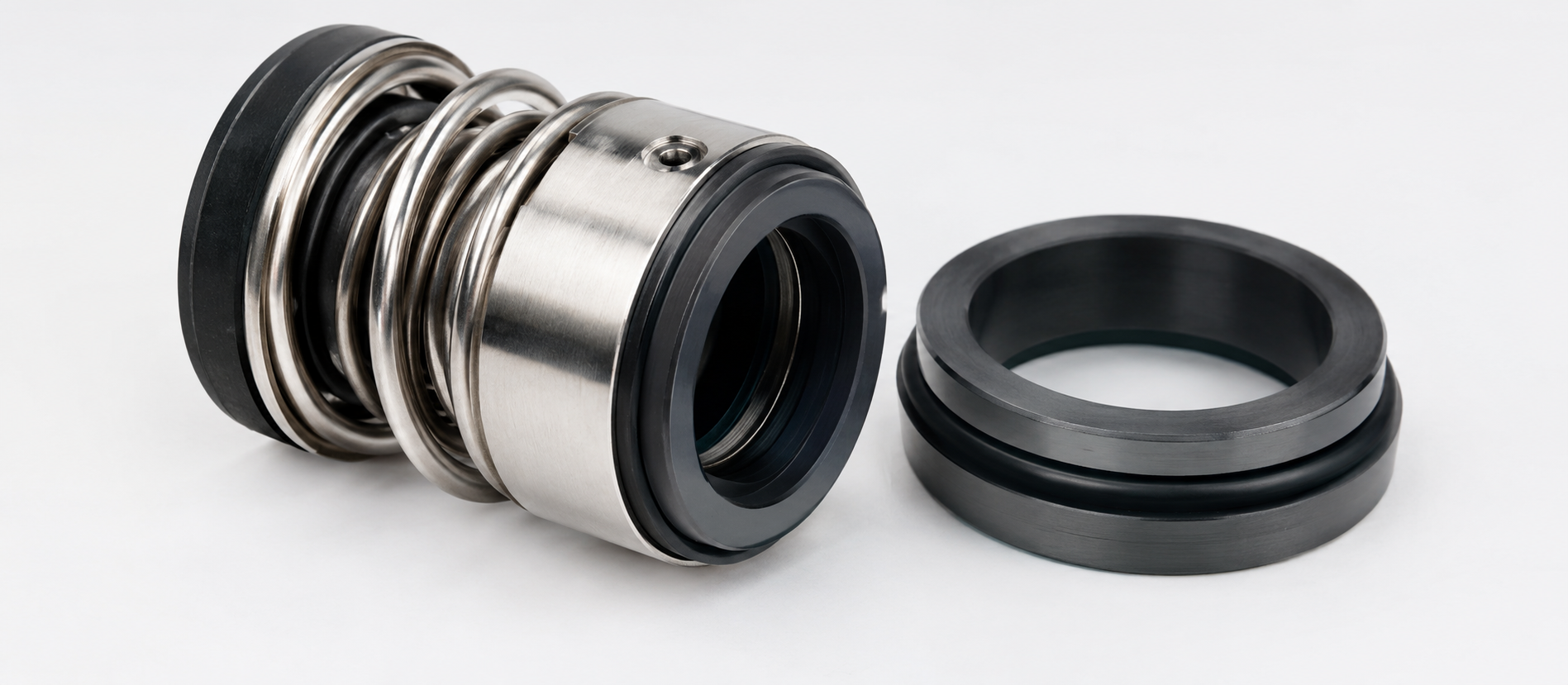
- Less wear, fewer breakdowns: Running at better matched, lower speed reduces vibration, shaft deflection, and mechanical seal failures, keeping your kit running longer.
- Watch your static lift: VFDs work best where pipe friction dominates. If you are pumping up steep vertical elevations, the pump still needs a minimum speed just to overcome gravity.
- Size for typical duty: Select your pump so its highest efficiency matches your average day-to-day flow, then use variable speed control to ramp up only when peak demand hits.
Need help auditing your site’s pump efficiency or sizing an upgrade? Call our team on 0800 118 2500 to discuss how we can cut your energy bills and boost reliability or drop us a line via our Contact page.
We also take a sustainable approach to our work and are committed to reducing energy waste from pumps. Our expert knowledge allows us to reduce energy usage by 20% on the average site!
Call us today on 0800 118 2500 for more information.