April 25 2025
 4 min read
The Purpose Of Chopper Pumps
Chopper pumps and macerators have long been ubiquitous on sewage treatment plants, and many have been installed on digestor recirculation lines in AD facilities.
With the first chopper pump created in the 1950s to address a clogging problem of manure pumps on dairy farms in Denmark, it might be easy to think that they are the perfect solution to all your problems. It would be untrue to say that chopper pumps no longer have their place on the market, as they still provide a wide array of advantages. Whether you need to reduce particle size down for pasteurisation purposes, are looking to prevent blokages from rag buildup, protect downstream pumps and equipment from damage or reduce retention time in your treatment processes, chopper pumps still seem to be the solution that springs to mind. However, in certain applications, chopper pumps might bring more disadvantages than advantages, and we would caution against using them too soon on mixed wastestreams. They can complicate the separation and treatment of different solids further down the line, or even increase the abrasiveness of hard solids. Plastics that are broken down into microplastics render digestate unsuitable for agricultural use, without further processing and cost.
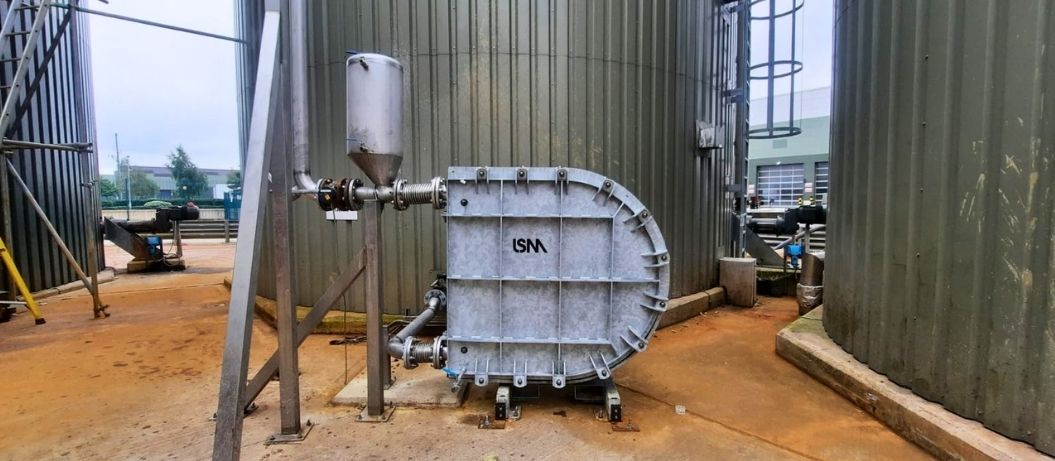
With the evolution of the industry, its’ worth noting that there are now alternatives to the chopper pump that could be better for your application, and you might have the option of doing away with macerators entirely. Large-solids handling pumps, such as LSM or SlurryPro pumps, might be considered more suited at times, helping you avoid the disadvantages that often arise with chopper pumps.
Evolving Priorities And Options
As the demand for more refined treatments and waste reduction has grown, chopping everything into a polymerised blend can be counter-productive in modern effluent treatment.
The drive to separate matter at earlier stages continues, with the principle that it’s more efficient to send each waste stream through it’s best recycling or treatment process (biological, chemical, heat treatment, etc.).
This has seen the increase in screening out rag at the headworks of sewerage plants, widespread installation of washplants, and developments in advanced separation equipment.
Due to these changes over the past few years, plant and utility managers are questioning if chopper pumps are still worth the maintenance and cost. Instead of keeping a chopper pump running ‘just-in-case’ there are alternatives that do away with the chopper, but still let solids – and even extensive amounts of rag – pass through.
If you are looking for ways to lessen your dependence on chopper pumps, here are some approaches that could be looked at:
- Starting with the obvious, it makes sense to remove rag and solids at source, or as early as possible in the treatment process. Wash screens, settlement systems and other separation equipment allow more effective post-treatment of diverse solids and liquids. This might be basic in today’s WWTPs, but it is always worth re-visiting past improvements and seeing if they can be further updated in the light of recent developments
- Treat separated solids and densified (dewatered) sludge in dedicated process streams. This can result in energy, chemical, space and time savings.
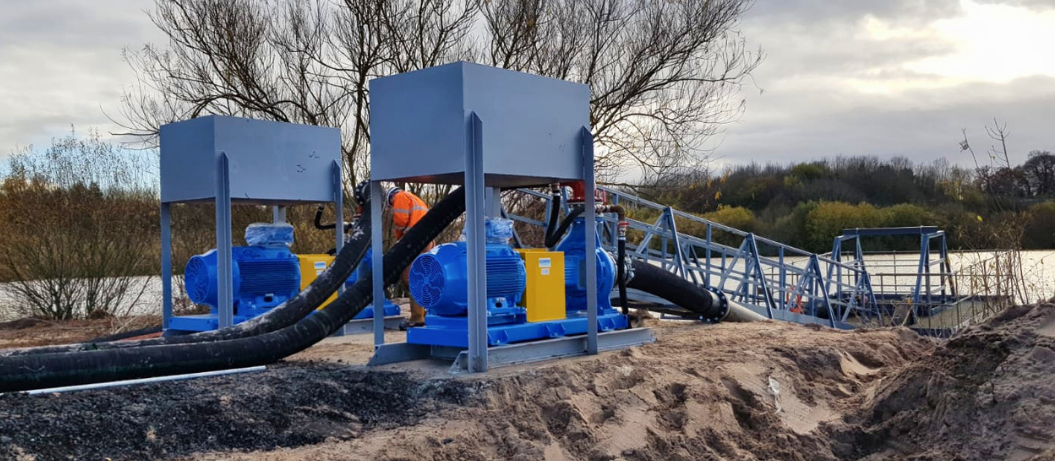
- Use abrasion-resistant pumps with a solids-passing ability. The SlurryPro centrifugal pump was developed for sludge with entrained abrasive solids: grit, sand, eggshells, bones, stones, etc.
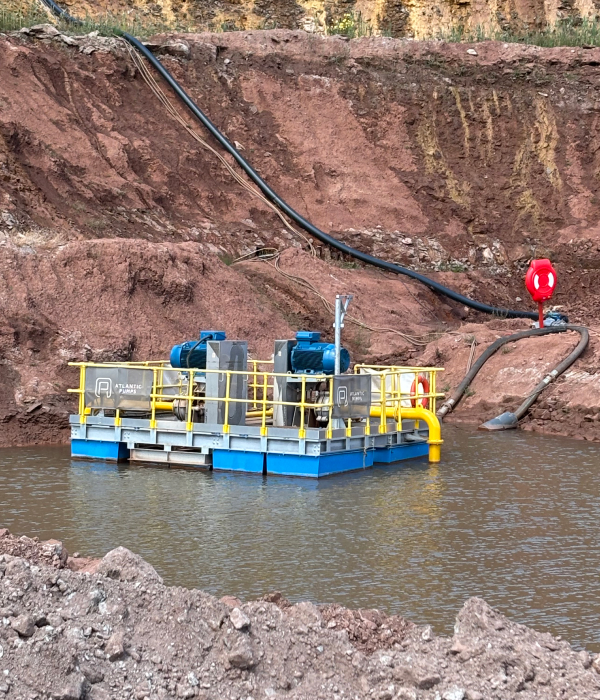
- Atlantic Pumps has a range of submersible pumps with vortex impellers that allow large solids and rag to pass without clogging.
- Use slow-rotating, large-diameter pumps that can push rag through without ‘weaving’ it together – the LSM pump works on the peristaltic principle, which squeezes the rag and sludge waste along rather than spinning it around a narrow rotor.
- Where cutting up rag and solids benefits the treatment or recycling process, consider a dedicated shredder, mill or grinder that is optimised for the job. This is highly efficient after the slurry has been dewatered, for example, via bar screen, membrane filter, strain press, hydrocyclones centrifuges, or settlement. Installing the grinder or macerator on its own branch line allows the use of a bypass for standby/storm use.
In summary, chopping up rags can help keep pumps operating smoothly, but it isn’t always the best solution overall. Removing solids can be easier when they are larger and more diverse, streamlining further treatment processes and increasing opportunities for effective recycling. Simple pumps that are good for solids passage and anti-rag by nature can cut maintenance and downtime.
Every application and waste stream is different, meaning there is no ‘one-size-fits-all’ solution, but working together with a range of technologies at our disposal, Atlantic Pumps engineers develop cost and sustainability breakthroughs based on each client’s situation and existing infrastructure.
What is your most pressing issue with wastewater, ragging, or slurry treatment? Share it with us today, and let’s get it resolved.
We also take a sustainable approach to our work and are committed to reducing energy waste from pumps. Our expert knowledge allows us to reduce energy usage by 20% on the average site!
Call us today on 0800 118 2500 for more information.