September 15 2026
 4 min read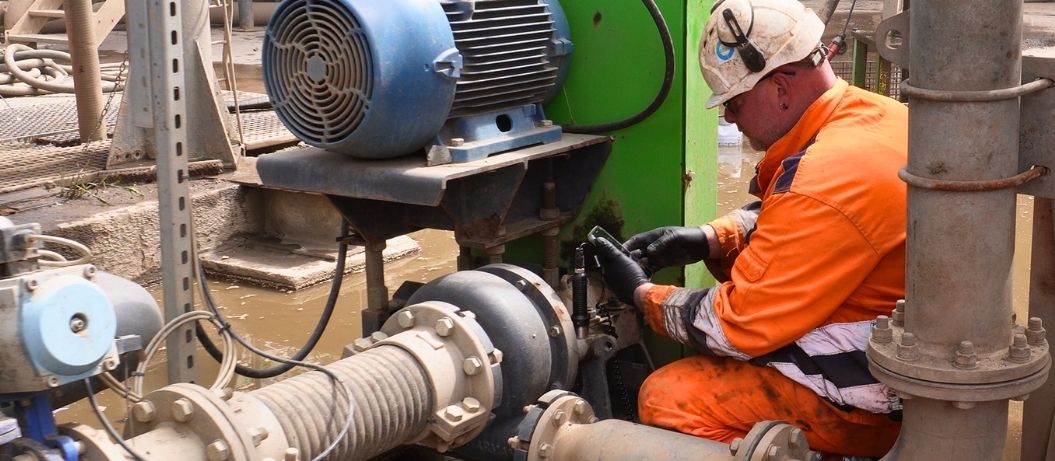
When evaluating the cost of an industrial pump, the purchase price is often the figure that receives close scrutiny. Yet capital outlay typically accounts for less than 10% of a pump’s total life-cycle cost. The overwhelming majority—often up to 90%—is consumed directly by electricity and maintenance over its operating life.
Because inefficient pumps can continue running without obvious mechanical failure, operators can easily assume their systems are operating smoothly. However, a pump running in a forgotten corner of the site can be operating far outside its optimal design envelope, drawing excessive power and consuming itself from within through early wear. Conducting a comprehensive site pump energy audit cuts through the guesswork, pinpointing where energy is being lost and helping focus minds on the right metrics.
The True Cost of Inefficiency
Inefficiency is rarely just an energy problem; it is also a reliability problem. When electrical energy supplied to a pump is not converted into fluid movement, the laws of physics dictate that it must go somewhere. That excess energy dissipates as heat, mechanical stress, noise, and vibration—accelerating the wear of critical components such as mechanical seals, bearings, and impellers.
A structured energy audit examines how effectively your assets convert incoming electricity into hydraulic work. On heavy-duty sites—such as quarries, mineral processing operations, and recycling facilities—audits routinely uncover several primary factors driving up energy consumption:
Oversized “Safety Margin” Pumps: Design engineers frequently add safety margins to ensure process demands are met under any scenario. The unintended consequences of this are that the pump spends the majority of its’ time running off to the left of the performance efficiency curve (low flow, excessive pressure).
Flow Control via Throttling: Operating an oversized pump against a partially closed discharge valve forces the motor to fight artificial resistance. This practice burns power across the restriction while loading pump internals with unnecessary backpressure.
Operating Away from the Best Efficiency Point (BEP): Every centrifugal pump has a BEP where efficiency peaks. Operating far to the right of BEP (on a ‘cheaper’ smaller model for instance) causes turbulence, internal recirculation, heat damage, and sharp drops in electrical efficiency as the fluid moves but struggles against system head.
Internal Hydraulic Wear: In abrasive applications, wear on impellers and suction liners widens internal running clearances. As fluid recirculates internally, the pump must draw additional motor power simply to maintain required flow and pressure.
What Happens During a Site Audit?
A pump energy audit replaces assumptions with empirical data. Rather than relying on data-plate specifications or theoretical performance curves, engineers assess pumps under actual site operating conditions.
Key steps in the audit process include:
1. Hydraulic and Electrical Data Logging: Portable clamp-on ultrasonic flow meters determine discharge volume without pipe modifications, while pressure transducers measure suction and discharge head. Concurrently, electrical loggers track true power draw (kW) and power factor.
2. Duty-to-Curve Comparison: Logged points are plotted against original manufacturer pump curves to establish true operating efficiency.
3. System Resistance Evaluation: The audit reviews pipe runs, static heads, and valve positions to identify avoidable frictional head losses.
Targeted Engineering Solutions
Once baseline metrics are established, audit reports rank assets by savings potential and return on investment. Rectification does not always require capital-intensive equipment replacements; corrective measures depend on the root cause:
- Variable Speed Drives (VSDs): Due to affinity laws, reducing motor speed cuts power consumption by disproportionally more – theoretically a 20% speed reduction can nudge 50% less energy use. Where duty cycles and flow-rate vary, inverter control provides immediate energy payback compared to mechanical throttling.
- Impeller Trimming: If a fixed-speed pump operates continuously oversized on a static process line, trimming the impeller diameter aligns the pump’s output with duty demands without requiring drive modifications.
- Component Refurbishment: Restoring internal clearances on abrasive duty pumps eliminates internal slip and restores degraded hydraulic performance. Atlantic Pumps can advise if alternative wear-part materials could provide longer-lasting efficiency.
- Asset Respecification: When a pump operates far beyond its design envelope, replacing it with a properly sized unit delivers rapid payback through energy reduction alone.
Take Control of Energy Expenditure and Increase Your Pump Reliability
Energy efficiency directly underpins mechanical reliability. A site fleet operating near peak efficiency experiences lower wear, less system vibration, extended bearing and seal life, reduced unplanned downtime, and lower utility bills.
A site-wide energy audit transforms running costs from a fixed overhead into a controlled, optimisable variable.
To discuss scheduling a comprehensive energy audit or performance evaluation across your pump installations, contact the Atlantic Pumps technical team on 0800 118 2500 or contact us via web chat.
We also take a sustainable approach to our work and are committed to reducing energy waste from pumps. Our expert knowledge allows us to reduce energy usage by 20% on the average site!
Call us today on 0800 118 2500 for more information.