April 28 2026
 4 min read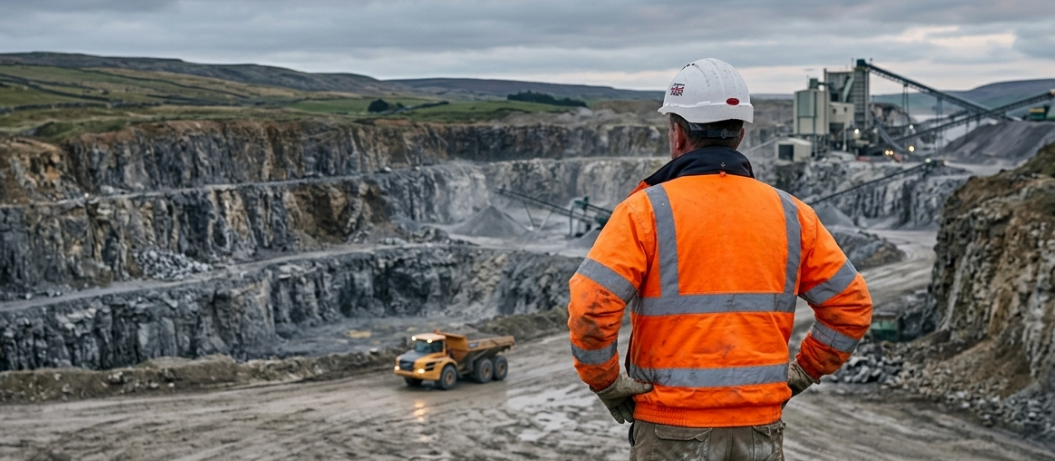
Workplace safety has long focused on physical hazards, vastly improving conditions in traditionally high-risk sectors such as construction, mining, energy generation and waste recycling. In the UK, these industries are very different from what they were a generation ago, offering many options of clean, safe careers.
The latest available (2024/25) workplace fatality figures from the HSE are the lowest ever recorded (outside of covid lockdown), with an 80% reduction over 40 years – but still 124 too many.
The most common cause across all industries remains falls from height, followed by being struck by a moving object or vehicle. These are often ‘final-straw’ events, and to avoid them, we must look at what led up to the occurrence and the wider ‘environment’.
Research is uncovering more about the influence of the ‘invisible’ factors behind these physical accidents – psycho-social, human factors – that are in turn affected by the intangible elements of an organisation; its culture.
The tough, physical environment of extractive industries, construction, and agri-forestry has generated a “tough” image, and breaking through this ‘skin’ can take exceptional bravery. Such demanding work often brings periods of heightened stress, isolation, and extended hours.
UN Safety & Health at Work Awareness Day
28th April is the World Day for Safety and Health at Work, and this year the focus is on the psychosocial work environment.
Physical reasons for an accident or illness may be easier to pinpoint, but psychological health is equally, if not more, critical to worker well-being. The International Labour Organization (ILO) estimated that 840,000 people die globally each year due to health conditions linked to psychosocial risks at work, such as long hours, job insecurity, and chronic stress. The effects of poor emotional health translate into staggering social and financial costs, estimated at 1.37% of global GDP in productivity and healthcare expenses.
To truly address this, we must understand how the three core areas of workplace culture directly affect the psychosocial factors that influence H&S outcomes.
The Job Task
This is the fundamental design of the work and role. If the inherent characteristics of a task – physical, psychological, and cognitive demands – consistently exceed a worker’s abilities, or lack alignment with their current skills, it creates a powerful source of stress. Furthermore, a lack of meaning, excessive monotony, or insufficient resources can lead to mental fatigue, disengagement, and a sense of powerlessness, which are significant psychosocial risks.
How Work is Managed and Organised
This area focuses on the social and relational context. High workload and excessive pace are obvious stressors, but less tangible factors are just as potent. Poor supervision, lack of autonomy (control over how work is done), and a breakdown in workplace interactions can leave a worker isolated and vulnerable. Role ambiguity, and unclear expectations, can induce constant anxiety and create a psychologically unsafe environment.
Governance: Policies, Practices, and Procedures
This is the formal infrastructure of the organisation. Procedures for managing change, working time arrangements, and policies against violence and harassment directly shape employment conditions. This area also addresses a crucial concept: the worker’s perception of effort vs. reward. The Effort-Reward Imbalance (ERI) model posits that a mismatch between the effort a worker puts in and the low rewards they receive (in terms of pay, esteem, and security) is a primary driver of work-related stress and its consequent illnesses, such as cardiovascular disease. This perception is heavily influenced by governance systems.
The Interconnected Nature of Risk
A key concept to understand is how these cultural factors, which manifest negatively as psychological stressors or positively in motivational energy, contribute to the frequency of physical workplace accidents. Chronic stress can impair cognitive ability, slow reaction times, and cause communication breakdowns.
If a worker feels overwhelmed or loses confidence due to a lack of psychological safety, a critical error or omission can lead to a physical accident, underscoring the importance of mental well-being for physical safety. A holistic approach that improves all three pillars of workplace culture is the only path to a truly safe and healthy organisation.
Practical Ways To Help
Health & Safety is everyone’s responsibility. It’s a vast, multifaceted and situation-specific subject, involving many agencies, businesses, organisations, and government departments.
Specialist support is available for Health & Safety, including mental well-being, such as:
Specialist Industry expertise:
The Health & Safety Executive (HSE) offer a wide range of H&S advice for industry, including dedicated resources around stress and mental health. A key resource is their Working Minds campaign.
Mates in Mind works across industries to raise awareness, improve understanding, implement effective interventions and address the stigma of mental ill-health. They offer advice to employers and managers and signpost individuals to immediate, personal help.
Construction
The CDM 2015 regulations provide the main legislative background to H&S in construction, followed by other instruments such as the Building Safety Act 2022.
The CIOB (Chartered Institute of Building) has a Health, Safety & Wellbeing Advisory Panel, which can assist members.
The following charities are well established:
Lighthouse Construction Industry Charity
Construction Industry Helpline
Mining & Quarrying
The HSE has a dedicated Mines and Quarries team, while the main pieces of legislation affecting H&S are the Mines Regulations 2014 (MR14) and The Quarries Regulations 1999.
The Institute of Materials, Minerals, and Mining (IOM3) runs training and CPD events, and often includes mental health topics in its health & safety presentations.
The Institute of Quarrying (IQ) provide ongoing training and support for members, including advice on health & safety factors related to the industry. Safequarry is their industry hub for H&S, including mental health.
Mineral Products Association (MPA) runs a Vision Zero initiative, working to eliminate serious accidents and fatalities in the industry. Their “Work-related Stress Risk Assessment Guidance” is a useful tool for managers and employers.
Many orgaistaions and industry leaders work together with the HSE under the QNJAC (Quaries National Joint Advisory Committee), whose dedicated working group on mental health has produced some fantastic resources.
On a global scale, the ICMM works to promote the safety of employees and the public, as part of their pursuit of best practice in mineral mining.
________________________________________________________________________________________
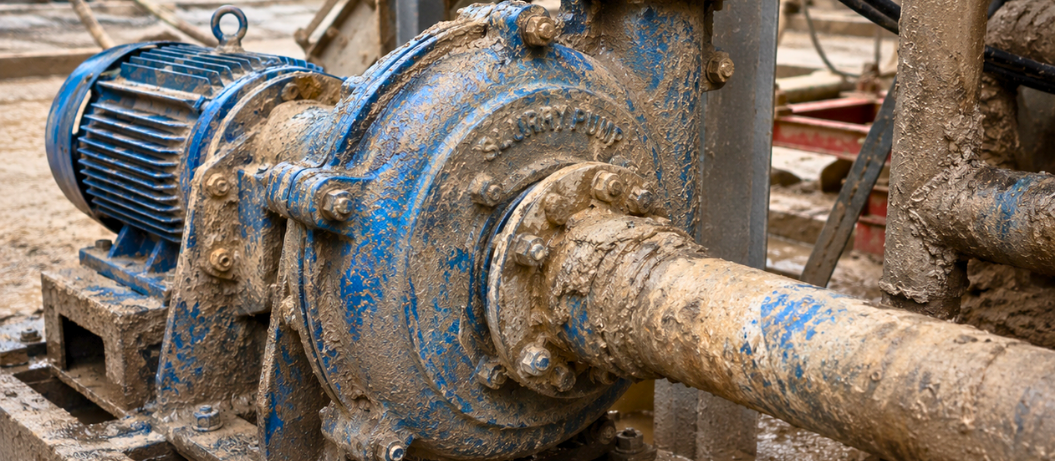
And finally, from our own little corner of industry, we know that unplanned downtime is a serious cause for stress. We aim to be the most responsive industrial pump company, with a growing hire fleet, built-up pumps, spare parts, and engineers ready for rapid deployment across the UK.
Talk to us today and find out how we can reduce the risk of pump failure on your mission-critical processes.
We also take a sustainable approach to our work and are committed to reducing energy waste from pumps. Our expert knowledge allows us to reduce energy usage by 20% on the average site!
Call us today on 0808 196 5108 for more information.