April 21 2026
 5 min read
Asset Management Period 8 (AMP8) is the latest Ofwat-regulated five-year investment cycle for the UK’s water sector, running from 2025 to 2030. One year into the plan, it is becoming increasingly clear that AMP8 is a different beast from previous investment cycles. One key difference is the scale of investment, which is markedly higher than previous commitments, but equally important is the shift in mindset that AMP8 demands.
Under AMP8, water companies are expected to move beyond maintaining water and wastewater services to fundamentally increase capacity, collaborate with a wider range of stakeholders, and better manage risk. Behind the targets and language used in the AMP8 agreement is an ambitious goal to restore public trust in the UK water sector, meet environmental targets, and build sustainable systems that are fit for the future, bringing an end to the struggle with the same, recurring issues.
Discussions we have had with water personnel over the past year reveal a consistent theme: the industry understands what needs to change, but structural inertia and heavy regulation continue to slow that change down. Engineers, operators, and contractors can see the pressure building up – from regulators, the public, and the environment itself – but what they are waiting for is momentum.
In many cases, the challenge is not a lack of understanding and awareness at a site level but a lack of confidence and flexibility in decision-making at a higher level.
Why AMP8 is not just another “water industry funding cycle”
The scale and intent behind AMP8 water industry commitments mark a departure from previous regulatory periods. The plan will see the industry invest £104 billion in improvements over five years, a 75% increase on AMP7. This substantial budget includes not only infrastructure upgrades, but catchment-based approaches that aim to integrate land use, water quality, biodiversity targets and stakeholder collaboration into a holistic long-term plan. The emphasis is on long-term resilience rather than short-term fixes, with environmental performance and public trust now central to delivery. However, delivering these outcomes will require more than repeating established approaches. Many of the sector’s most persistent issues are not caused by a lack of CAPEX investment but by a reliance on ‘better-the-devil-you-know’ solutions that have already shown their limitations.
The driver behind the huge AMP8 investment commitments is the mounting pressure on the sector from politicians and the public, some of it justified maybe, but much of it based on emotional perceptions; even while performance improved during AMP7, customer satisfaction levels continued to fall. However, traditional capital delivery alone cannot achieve the transformation envisioned by AMP8. What is required is a more united approach that brings together local authorities, environmental bodies, farmers, regulators, and communities to address the root causes of pollution – including agricultural run-off, and sewer abuse, such as unauthorised cross-linking between stormwater drains and sewer networks and flushing inappropriate items and detergents.
The delivery bottleneck
One of the more revealing insights from the past 12 months is the extent to which water AMP8 delivery is being delayed, not by lack of readiness, but by process constraints. Reports from across the sector highlight that contractors are operating at below capacity, particularly in design and engineering, while waiting for AMP8 programmes to be signed off. Regulatory scrutiny and ongoing negotiations have slowed the scheduling of work, even where funding envelopes have been broadly agreed upon. This reflects a wider ‘push and pull’ tension between regulatory oversight and investor expectations. While it is essential to accommodate both risk and reward in any investment decisions, the result is prolonged decision-making cycles that delay capital mobilisation. For many site operators and process engineers, this situation creates a disconnect between the urgency of site-level issues and the pace at which fundamental change is approved and implemented.
The real risk: standing still
The consequence is an elevated risk of delivery becoming compressed into the later years of the AMP8 programme, reducing the opportunity for innovation-led design and increasing reliance on reactive execution. Without time for the supply chain to build up, shortages of skilled labour and specialist materials are likely to increase the cost of project completion.
The greater risk, however, is not delay alone, but repetition. Continuing to repair, maintain, and re-specify the same failed assets, and adherence to methods that have historically underperformed, is likely to result in the same problematic outcomes. The sector is being asked to achieve step-change improvements in performance, often while using the same assets, suppliers and decision-making frameworks as before. This is particularly evident in areas such as pollution prevention, where recurring failures are frequently linked to ageing or unsuitable infrastructure that has been repeatedly repaired rather than rethought in the light of today’s scenario. In this context, innovation should not be viewed as the big risk. The real risk lies in maintaining the status quo; water managers are increasingly seeing the need to discover new solutions and conduct faster ‘mini’ trials to implement quick improvements.
As we know, still water stagnates.
Procurement frameworks: protection or constraint?
Procurement strategies have consequently become a critical pressure point in the implementation of AMP8. Major framework programmes, such as those recently announced by leading UK water companies, demonstrate the scale of investment and the long-term nature of supplier relationships being established. These frameworks are designed to provide certainty and capacity for the delivery of large capital programmes. However, long-term frameworks, while stabilising, can sometimes limit competition, reduce the incentive for continuous innovation, and slow the pace at which new technologies and approaches are adopted. Over time, this can create an environment where established solutions are repeatedly specified, not necessarily because they are the most effective, but because they are the most familiar. This is where the shift in mindset becomes important, requiring a change in how operational risk is understood.
Traditionally, risk in the water industry has been associated with ‘radical’ change – e.g. new technologies, new suppliers, and new approaches. Under AMP8, risk is increasingly associated with repetition, continuing to invest in solutions that have already demonstrated their limitations.
At the same time, the sector is seeing an influx of smaller, highly innovative suppliers offering targeted solutions that align closely with AMP8 priorities, particularly around efficiency, sustainability and asset performance. These organisations are often able to respond more quickly to specific operational challenges, introducing proven approaches from parallel industries that can be tested, validated, and scaled at pace, without the constraints of legacy systems.
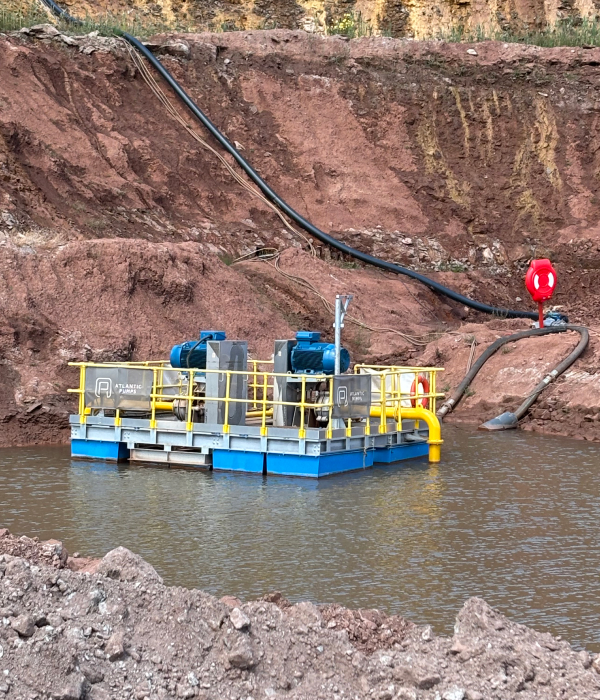
These initiatives, such as new ways of pumping sludge containing grit and rag, are generating valuable operational data, demonstrating performance improvements and building internal confidence in alternative approaches. Some of these trials are already delivering tangible benefits; reducing operational expenditure, improving response times and enhancing asset reliability for water companies and their customers. By incorporating these types of innovations into their supply chain, alongside established partners, water companies are beginning to build more resilient, adaptable delivery models capable of meeting AMP8 expectations.
What can water companies do in 2026 to hit performance targets in AMP8?
With four years left to run, the pressures shaping the AMP8 landscape are unlikely to ease. Ongoing issues like sewage discharges and water waste have intensified criticisms of the sector in Parliament, particularly around environmental performance. At the same time, the complexity of delivery will increase as projects move from planning into execution, often under tighter timelines due to the earlier regulatory delays.
There is also a clear expectation that investment in innovation will move from the optional to the essential. With water companies already facing financial penalties for underperformance, and 13 companies expected to pay over £150 million for missing their AMP7 targets, technologies and approaches that are currently being trialled will need to be scaled rapidly if operators are to meet their AMP8 commitments by 2030.
For AMP8-facing water companies, the situation creates a clear dividing line. Those that adapt – e.g. by evolving their supply chains, embracing new approaches and accelerating decision-making, will be better positioned to deliver on their financial and operational commitments. Those that do not, risk remaining in a cycle of repeated compliance failures, reactive maintenance, and escalating operational costs driven by outdated systems and approaches.
What next?
If you’d like to learn more about the solutions to wastewater, grit and sludge that Atlantic Pumps are working on with England’s best-performing water companies, contact one of the specialist team members at Atlantic Pumps today. Together, we can explore solutions to tackle your TOTEX today, while building the base for a resilient and successful AMP8 and beyond.
We also take a sustainable approach to our work and are committed to reducing energy waste from pumps. Our expert knowledge allows us to reduce energy usage by 20% on the average site!
Call us today on 0800 118 2500 for more information.