November 25 2025
 6 min read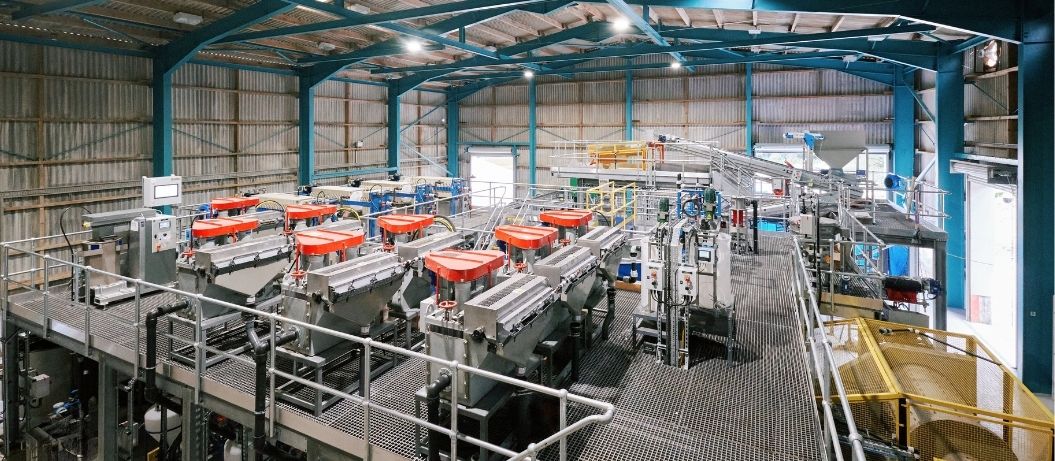
Above: a UK lithium extraction plant
Mining and quarrying are often viewed as relics of a polluting past, but they are in fact essential to achieving the UK’s Net-Zero ambitions.
Every wind turbine, smartphone, and data centre depends on minerals like copper, lithium, and so-called ‘rare’ or critical minerals that can only come from mining. Experts warn that without a major increase in mineral extraction, green targets are unrealistic.
The challenge is to meet this demand responsibly: through sustainable quarrying, clean technologies, protection of water resources, and energy-efficient innovations such as net-zero pump systems. The UK’s mining sector is a global leader here, embracing the highest ESG principles, as shown in a number of ethical projects like the various Lithium mining and refining projects happening across England, from Cornwall to Teeside. These are set to deliver this metal that’s central to the green-energy transition in a much more environmentally sound way than traditional methods, drastically cutting sea-miles and geo-political risk exposure.
For Net-Zero to succeed, government, investors, and industry must align, streamlining planning, supporting ethical domestic mining, and ending the hypocrisy of offshoring resource extraction. A realistic green future will be built not by abandoning mining, but by making it smarter, cleaner, and more efficient.
Outdated Perceptions
The images that come to mind when many people in the UK think of mining are drawn straight from a bygone era: air and water pollution, strife-ridden industrial disputes of the 1980s, and the climate-damaging impact of unmitigated fossil fuel burning. The closure of the country’s coal mines and finally the last coal-fired power station in 2024, and the disjointed pursuit of various political projects have tended to reinforce this image. For those with little exposure to modern practices, it’s all too easy to cling to the stereotype of mining being dirty, dangerous, and harmful to the planet. Yet nothing could be further from the truth. Sustainable methods of mining are here, and our low-carbon, resilient future depends on the responsible use of the resources under our feet. The uncomfortable truth, the elephant in the green energy room, is the dire need for mining vastly more metallic minerals. Without a significant uptick in mining and quarrying, the Net-Zero goals that government and business leaders have so eagerly committed to could be unattainable.
“The clean energy transition is predicted to drive a 3-20 fold increase in demand for energy transition metals, which necessitates an unprecedented, global scale-up in mining and metals operations over the next three decades. If this scale-up does not occur, Net Zero cannot be achieved. “ says the Carbon Trust.
Mining Powers the Green Transition
Consider for a moment the raw materials required for the green-energy revolution. A single large wind turbine can contain as much as five tonnes of copper, two tonnes of rare earth minerals, and a staggering 1,200 tonnes of concrete. Silica sand, copper, silver, steel, cadmium, gallium, indium, tellurium, and selenium are used in solar panel manufacturing.
As of 2025, the UK’s wind farm infrastructure comprised 9,976 wind turbines distributed across 817 onshore and offshore wind farms, and this is set to increase significantly over the coming years. Thousands of hectares of new solar farms are planned for the next few years, and at present, there is a risk that the needed materials will have to be shipped around the globe, from mining regions with much lower ESG standards than the UK and EU.
And what about the mobile devices we all use? A typical smartphone contains elements from two-thirds of the periodic table, and the data centres that drive the cloud applications used by millions of businesses have an immense appetite for mined resources.
The Truth About Net-Zero
This reality creates a paradox that some business and political leaders seem to ignore. One of our mining experts puts it bluntly: “Without denigrating the ambition of Net-Zero, many have been conned into thinking that ambitious green targets are achievable [without more mining]. Unless you are prepared to live in a cave and dig vegetables with a stick, you need mining.”
The scale of the challenge is immense. To meet current Net-Zero 2050 targets, it is estimated that we need to mine as much copper in the next 20 years as has been mined in the previous 3000 years. Let this sink in for a moment. With very few new copper prospects having grades above 2%, this means that 98% of the ground broken is waste. The process is also energy-intensive, with 6% of the world’s energy output currently used just for breaking rock, a task still overwhelmingly dominated by explosives and fossil fuels.
The Hypocrisy of Offshoring Our Demand
This leads to another policy conundrum: offshoring our demand. As one industry authority notes, “The hypocrisy of offshoring our demand for resources disgusts me. I am all for reduction in consumption, but the current situation is skewed to benefit developed nations who abdicate responsibility because they have the luxury of offshoring their resources.”
By importing materials from countries with lower environmental and safety standards, we are not solving the problem; we are merely outsourcing our ethical responsibilities.
A New Era of Responsible Net-Zero Mining
At a time when many consider the UK’s mining industry to be part of the country’s history, the sector is undergoing a rebirth fuelled by new demands. Innovation is key, with a focus on environmental, social, and governance (ESG) principles and gaining a ‘social licence’ to operate. Projects such as the Woodsmith potash mine in North Yorkshire, which will transport natural fertiliser through an underground tunnel to preserve the landscape, and the work of Cornish Lithium, are pioneering this new and responsible approach to net-zero mining and quarrying.
Sound ecological practice is a fundamental part of this new approach, not only shaping the future of the industry but also paving the way to securing planning permission, local support, and financial backing for new projects.
Aligning Policy, Investment, and Industrial Capacity
So, what can be done? The path forward for the sector requires a unified approach from government, investors, and the industry itself.
Policy: ideally, the sector needs a regulatory framework that aligns our desired outputs (such as economic growth, clean tech, and housing) with the necessary inputs. This means streamlining the current planning application process and rewarding energy-efficient UK mines, which are among the safest and cleanest in the world. Instead of penalising them, policymakers should provide a level playing field and close the market to imports that exploit poor environmental and labour practices elsewhere.
Investment: financial backing must be channelled towards quarrying and mining projects that demonstrate a strong commitment to clean technology, environmental stewardship, and community engagement.
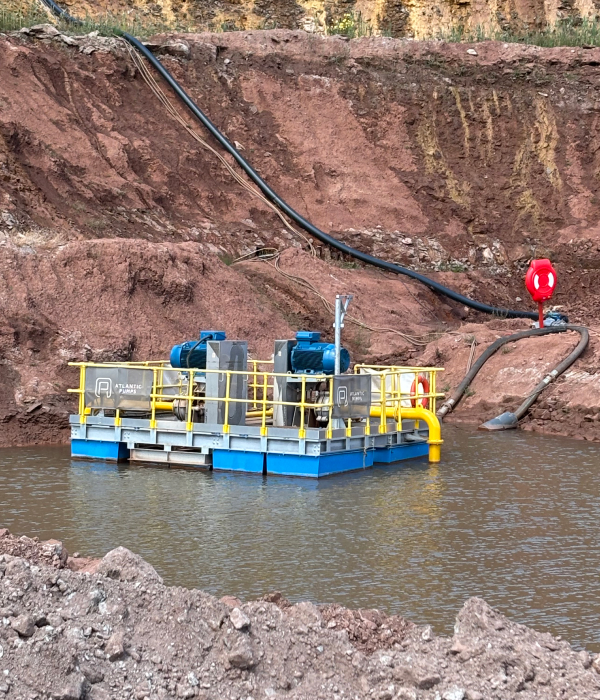
Industry: to break free of its outdated and archaic image once and for all, the sector must continue to innovate. Among other things, this will include adopting efficient technologies such as modern quarry pump solutions to drastically reduce energy use in fluid transfers, taking steps to mitigate water and dust pollution, and actively embracing alternative fuels such as hydrogen and biomethane wherever feasible.
Is Net-Zero a pipe dream, or can it be achieved? If a dream, Net-Zero is certainly a noble one, and one that is within our capabilities as a society, but it cannot be built on wishful thinking. If it arrives by 2050 or any other date, Net-Zero will be built with concrete, steel, copper, and lithium. It will be built by a revitalised, responsible, and technologically advanced net-zero mining and quarrying sector. The industry has the tools available today, and the rate of innovation in the sector is immense.
Found this interesting? Share it to LinkedIn with your comments.
We also take a sustainable approach to our work and are committed to reducing energy waste from pumps. Our expert knowledge allows us to reduce energy usage by 20% on the average site!
Call us today on 0800 118 2500 for more information.